Rumors are circulating that the highly anticipated Nvidia RTX 5090 graphics card could see its price more than double, potentially reaching $5,000 by 2026. This dramatic price increase is reportedly driven by the insatiable demand for high-performance GPUs from the artificial intelligence industry, which is also impacting memory prices.
Key Takeaways
- Nvidia RTX 5090 prices may surge to $5,000 in 2026.
- The primary driver is increased demand from the AI industry.
- RAM costs are significantly contributing to the projected GPU price hikes.
- Both Nvidia and AMD are expected to implement monthly price increases.
- This trend could impact the release of future gaming hardware and consoles.
The AI Effect on GPU Pricing
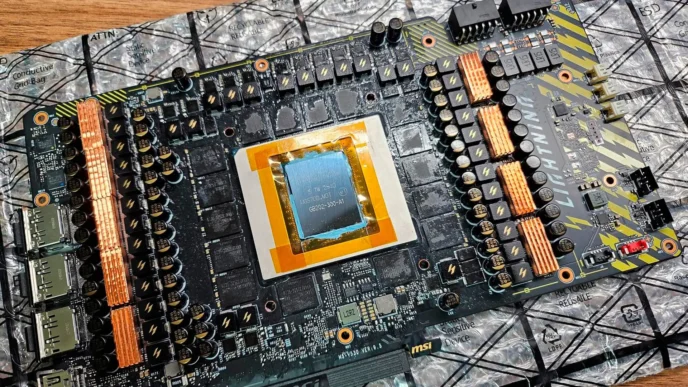
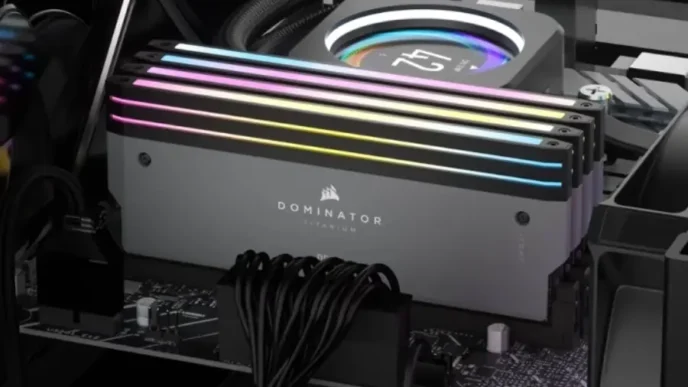
The escalating demand for GPUs in AI data centers is creating a ripple effect across the entire hardware market. This surge in demand, coupled with a significant increase in memory (RAM) costs, is pushing up the Bill of Materials (BOM) for graphics cards. Reports suggest that memory alone now accounts for up to 80% of a GPU’s manufacturing cost, with prices expected to rise by as much as 40% by the second quarter of 2026.
Projected Price Hikes and Market Impact
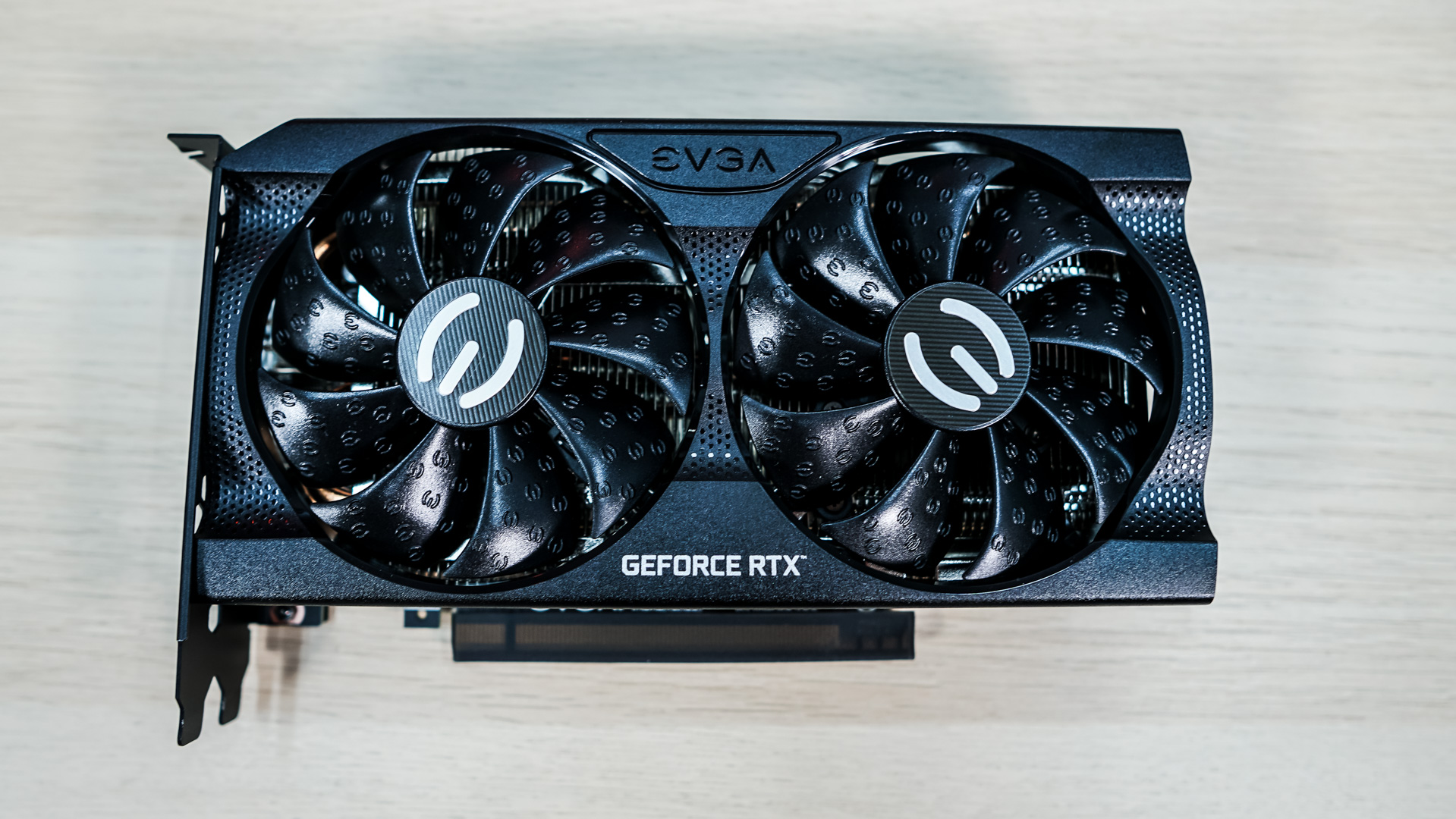
According to leaks from South Korean publication Newsis, both AMD and Nvidia are planning to gradually increase GPU prices over the coming months, starting as early as January 2026 for AMD and February 2026 for Nvidia. The RTX 5090, which originally launched at $1,999, could reach the staggering $5,000 mark. While specific predictions for AMD’s RX 9000 series are not yet available, similar price increases are anticipated.

This trend is not limited to high-end consumer cards. The price hikes are expected to extend across entire product lineups, affecting both consumer GPUs and those used in AI data centers and servers. This situation has already led some manufacturers, like Crucial, to shift focus away from consumer products to capitalize on the AI boom.
Broader Implications for the Tech Industry
The rising costs and potential shortages could have far-reaching consequences. Gamers are already facing an affordability crisis, and these projected price increases could further exacerbate the issue. Furthermore, the instability in the DRAM market and the overall GPU price increases might even affect the launch windows for next-generation consoles, potentially delaying titles like the PlayStation 6.
Industry insiders suggest that the current situation is unprecedented, with some comparing the market bubble to historical economic downturns. The confluence of AI demand, memory cost surges, and potential supply chain disruptions paints a challenging picture for the consumer electronics market in the near future.
Via Newsis