
Are you an avid gamer? Rejoice because the world of gaming is on the cusp of a great change, and you will probably be the first of many generations to be a part of this revolution.
For several decades, dedicated consoles and mighty PCs were the gateways to virtual worlds with immersive depth. That changed quickly with the growth of mobile gaming where reimagined versions of classic games dominated the scene. For instance, Ludo, which is a childhood favorite, or Bingo. In the case of Bingo, there are different Bingo games to play that are designed specifically for a heightened mobile gaming experience.
However, a new challenger has emerged, and that is cloud gaming. This new technology promises a revolution in the way one plays, offering a high level of accessibility and flexibility that traditional hardware cannot possibly match.
Let’s dive in!
Cloud Gaming: What is it?
Imagine a world where you can play high-end games from any device with a good internet connection. That is the core principle behind cloud gaming.
Instead of depending on hardware, the processing power required to run games resides in remote servers. Players stream the game’s visuals and audio to their device, essentially using it as a display while the heavy lifting happens elsewhere.
Here are some of the key benefits of cloud gaming:
- Quick accessibility: One of the biggest advantages of cloud gaming is accessibility where players no longer need to invest in expensive consoles or high-end PCs to experience the latest titles. All you need is a stable internet connection and a compatible device, which can even be a smart TV. This opens the door to a wider audience joining the gaming world, democratizing access and eliminating the barrier of entry.
- Always up-to-date: Forget about expensive console upgrades or PC component overhauls. Cloud gaming platforms constantly update their server infrastructure, ensuring you always have access to the latest hardware and software. Thus, individual players no longer need to chase after the latest releases, as they can play new titles without significant upfront costs.
- Game library freedom: Most of the cloud gaming services offer large libraries with titles ranging from AAA to independent games. This is the main reason why people prefer using cloud gaming services since it lets them discover various types of games they have not yet tried.
- Platform agnostic: Unlike traditional consoles or PCs, cloud gaming isn’t limited to specific devices. You can switch between your devices, picking up your game progress wherever you left off. This flexibility makes it ideal for gamers who enjoy playing on the go or using different devices.
However, there are drawbacks to cloud gaming you cannot ignore
Cloud gaming has several compelling advantages, but it’s not without its downsides:
- Internet dependence: The Achilles’ heel of cloud gaming is that it needs a strong and stable internet connection. Lag, latency, and buffering would easily ruin your game time. This makes cloud gaming less ideal for users who don’t have good internet access.
- Less control: While having traditional hardware allows you to fully control your gaming environment, some cloud gaming services can restrict the customization options in terms of graphics settings or the access to local files.
- Data intake issues: Streaming game footage could indeed be data-intensive, taking the form of huge data uptake, especially in mobile connections. This might be challenging for users with limited internet data plans.
- Game libraries change: The particular game a cloud gaming service offers will indeed change based on licensing conditions. Perhaps it is the title you’d had quite a liking for, where you could not find these titles in the library later.
Traditional hardware: That familiar throne for your favorite games
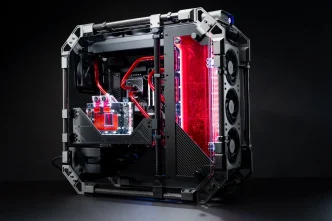
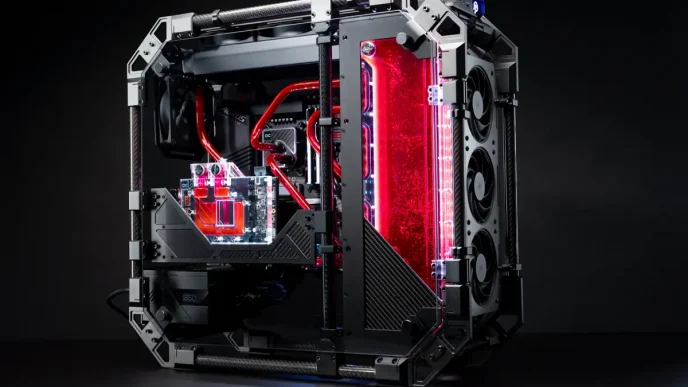
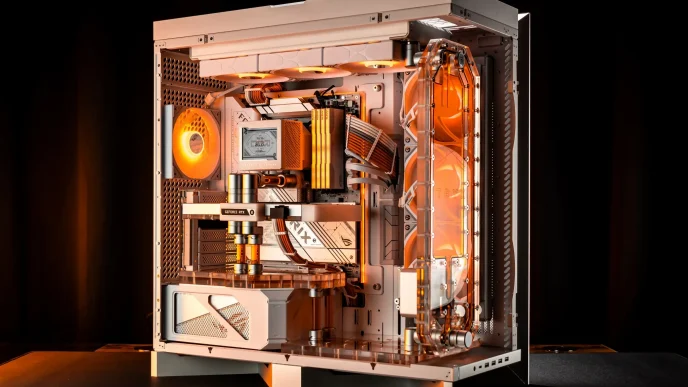
Serious gamers have relied on dedicated consoles and high-end PCs for years. While cloud gaming does offer an attractive alternative, these established hardware solutions still maintain some distinct advantages:
- Performance: Traditional hardware offers uncompromised performance. By having the processing power directly connected to your device, you experience minimal latency and smooth gameplay, which is crucial for competitive gamers and those who demand the best visual fidelity.
- Ownership: When you purchase a game for your console or PC, you own it. This grants you more control over your gaming experience, allowing you to modify settings, access local files, and potentially resell games you no longer play.
- Offline play: The old hardware does not require one to be constantly online. It is possible to play for long hours even in places where internet access is unavailable or limited, which is an advantage for people who travel frequently or live in rural areas.
- Customization and control: Old hardware can give you so much customization, which clouds may not be able to.You could upgrade and change your PC components whenever you want, modify graphics to your liking, and sometimes even tap into mods and community-created content that probably won’t be on cloud platforms.
The flaws of traditional hardware
Traditional hardware has earned its dominance for a very long time. But its popularity is waning due to:
- High cost: High-end consoles and powerful gaming PCs can be expensive investments. This creates a barrier to entry for some players who might not be able to afford the initial purchase. Additionally, staying up-to-date often requires regular upgrades, adding to the long-term cost.
- Physical limitations: The performance of a console or PC will be determined by its hardware. The more demanding the game, the more players will require an upgraded system to remain current. This can also be costly and time-consuming in the process.
- Limited accessibility: Traditional gaming often requires a dedicated gaming space. This can be a challenge for those with limited living space or who prefer to play on the go.
The future of gaming: A hybrid approach
While cloud gaming and traditional hardware have their advantages and disadvantages, the future of gaming probably lies in a hybrid approach. Cloud gaming services may complement traditional platforms by offering access to a wider range of games and allowing players to stream games to multiple devices.
In the end, it depends on individual preference, budget, and internet connectivity. Yet it is very clear that cloud gaming will change the entire landscape of gaming; the opportunities that it gives for players and developers are incredible. As technology keeps on evolving, it will provide more innovative solutions that break boundaries between traditional and cloud-based gaming.