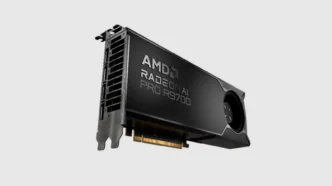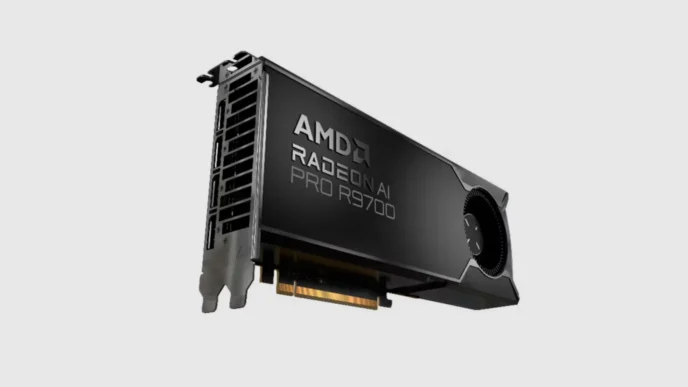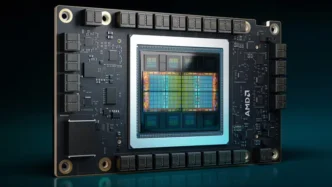

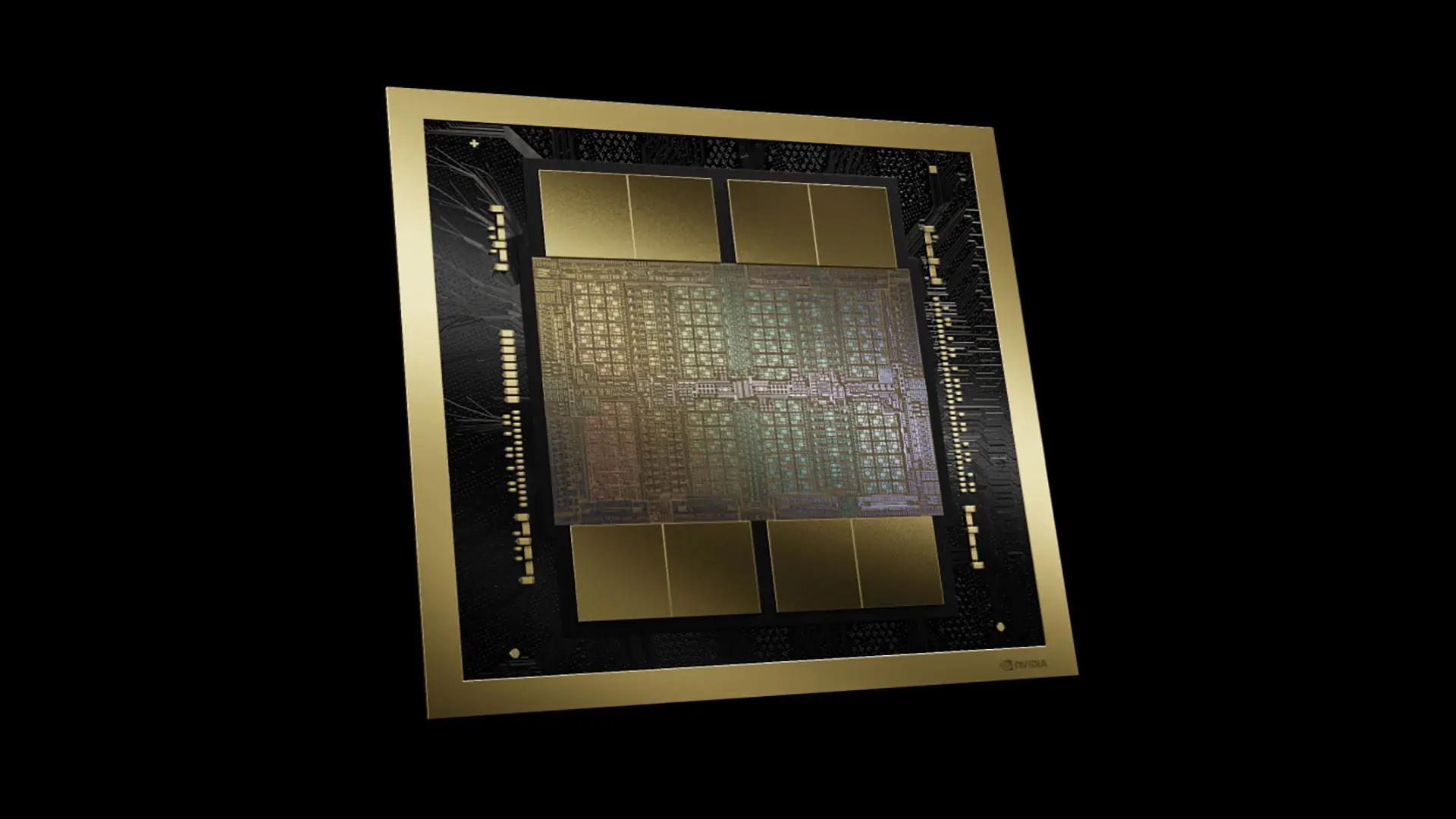
In a significant policy reversal, the U.S. government has approved the sale of Nvidia’s H20 and AMD’s MI308 AI chips to China. This decision, confirmed by both companies, marks a shift from previous restrictions and is expected to allow American tech companies to re-engage with one of the world’s largest AI markets.
U.S. Greenlights AI Chip Sales to China
The U.S. government has given the green light for Nvidia and AMD to resume sales of their specialized AI chips, the H20 and MI308 respectively, to China. This move comes after a period of stringent export controls that significantly impacted the companies’ operations and revenue projections. Nvidia CEO Jensen Huang confirmed that the U.S. government has assured the company that licenses will be granted, with deliveries expected to commence soon. AMD also stated its intention to resume shipments as licenses are approved, applauding the Trump Administration’s progress in trade negotiations.
Key Takeaways
- Policy Reversal: The U.S. government has reversed its previous restrictions on the export of Nvidia H20 and AMD MI308 AI chips to China.
- Company Confirmation: Both Nvidia and AMD have confirmed the approval, with plans to resume shipments to the Chinese market.
- Economic Impact: The previous bans led to substantial financial setbacks for both companies, including a reported $5.5 billion write-off for Nvidia and an estimated $800 million impact for AMD.
- Lobbying Efforts: Nvidia CEO Jensen Huang has been a vocal critic of the export controls, advocating for the availability of American tech in global markets to maintain U.S. leadership in AI.
- Market Competition: The resumption of sales will intensify competition in the Chinese AI chip market, with both Nvidia and AMD vying for market share against local players like Huawei.
Impact on Tech Giants
The previous export bans had a considerable financial impact on both Nvidia and AMD. Nvidia had reported a $5.5 billion write-off due to the restrictions, while AMD estimated a loss of around $800 million in inventory and purchase commitments. The lifting of these bans is expected to provide a significant boost to their revenues and stock performance. Following the news, both Nvidia and AMD saw their shares surge in pre-market trading, reflecting investor optimism.
Shifting Geopolitical Landscape
This policy shift is seen as a result of ongoing trade negotiations and lobbying efforts by tech executives. Jensen Huang, in particular, has consistently argued that export controls could hinder U.S. leadership in AI by forcing countries like China to develop their own alternative hardware solutions. He emphasized the importance of the American tech stack being globally accessible to maintain its standard and influence. The approval suggests a potential easing of tensions in the U.S.-China tech standoff, at least concerning these specific AI chips.
Via Tom’s Hardware