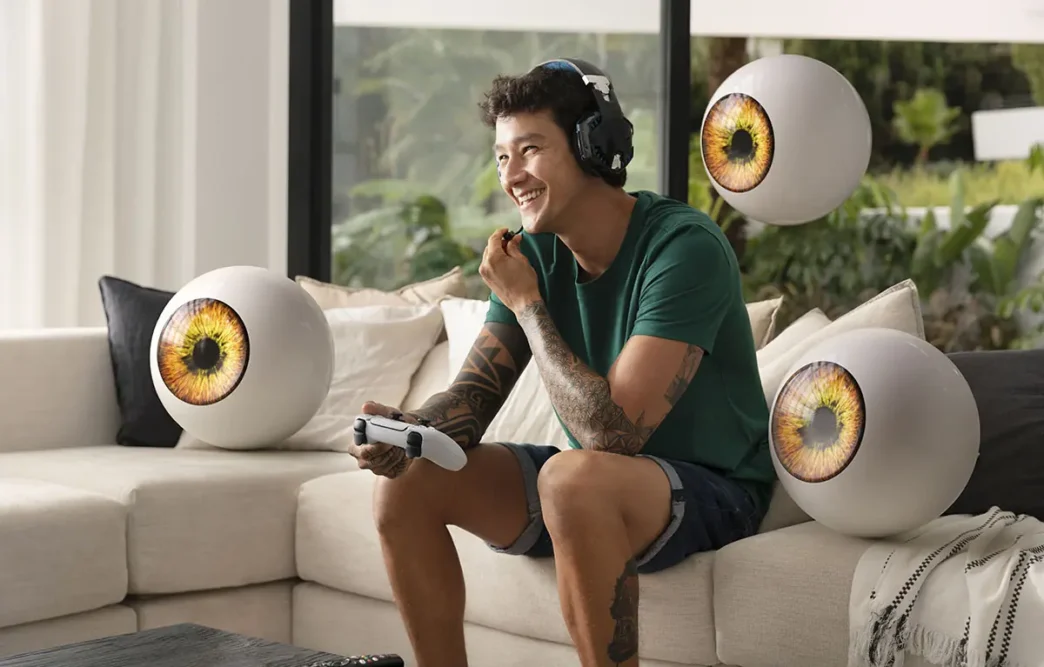
Online gaming has metamorphosed from a mere amusement into cultural and social activities that influence one’s manner of living, work, and interaction with others. They are lifestyles: different means of doing things are inserted into the lives of persons as each gets immersed in different virtual worlds, sometimes subtly and sometimes starkly.
That said, what kinds of lifestyle changes come with online gaming? Beyond the hours of leisure, it changes everyday routines and social behaviour, influences emotional health, and puts one’s physical health to the test.
Lifestyle Changes Come with Online Gaming
Altered Daily Routines
One major lifestyle change seen among online gamers is an alteration in their daily routine. Gaming takes up a sizable portion of one’s schedule, maybe even at the expense of other hobbies, sleep, or worse, work. Late-night sessions from urgent urges can disrupt one’s sleeping routine, especially considering many multiplayer games are embraced under global time zones.
Gamers begin to organise their lives around the release dates of games, their in-game events, and team coordinates, affecting their social life patterns for work, food, and leisure.
New Social Circles and Digital Friendships
Online gaming opens up a whole new world of social interaction for its players. With multiplayer capability, voice chat functionalities, and global online communities, gamers can very well end up forming close bonds with a few of them online and never meet or see each other in face-to-face scenarios.
Such digital friendship could lead to positive lifestyle changes such as better communication skills, working towards common goals, and joining virtual communities. But in some instances, it may also cause a decline in face-to-face interactions if balance isn’t maintained.
Improved Problem-Solving and Reflexes
Psychologically, playing fast-paced online games like strategic games, battle royale, and first-person shooters or even some money-making games like bdg win login, makes offences speedier if you want a player to say it freely: better reflexes, better decision-making, and better problem-solving. Anything that enhances brain function, in turn, can affect other areas of life, such as classroom performance, efficiency at work, or multitasking while handling daily tasks. An increasing number of gamers report better attention spans and improved situational awareness as life changes.
Reinforcement of Lifespan Physical Health
Online gaming happens to be sedentary, an aggravating factor to physical health for many gamers. Some tend to perpetuate unhealthy habits of bad posture, eating junk food while gaming, and just sitting all day. There are forms of weight gain, backache, or tiredness.
However, some health-conscious video-game players might opt to compensate with physical fitness, stretching, and workout interludes between gaming sessions, ergonomic chairs, or even wearable gear to keep track of their activity levels.
Spending Habits Changed
As online gaming begins to draw these players more, funds begin flowing into their hobby. These consist of buying gaming goods, in-game mt, or premium subscriptions. Over time, the change may lead to a new ranking of spending-wants: from material goods to digital assets.
This change might even lead to better budgeting and financial planning for those who manage their expenses consciously related to gaming.
Final Thoughts
Online gaming brings several lifestyle changes—some beneficial, others requiring adjustment. From new social dynamics to shifting routines and personal habits, gaming influences more than just screen time. By being aware of these changes, gamers can build a lifestyle that embraces the best of virtual entertainment while staying grounded in real-world health, relationships, and responsibilities.