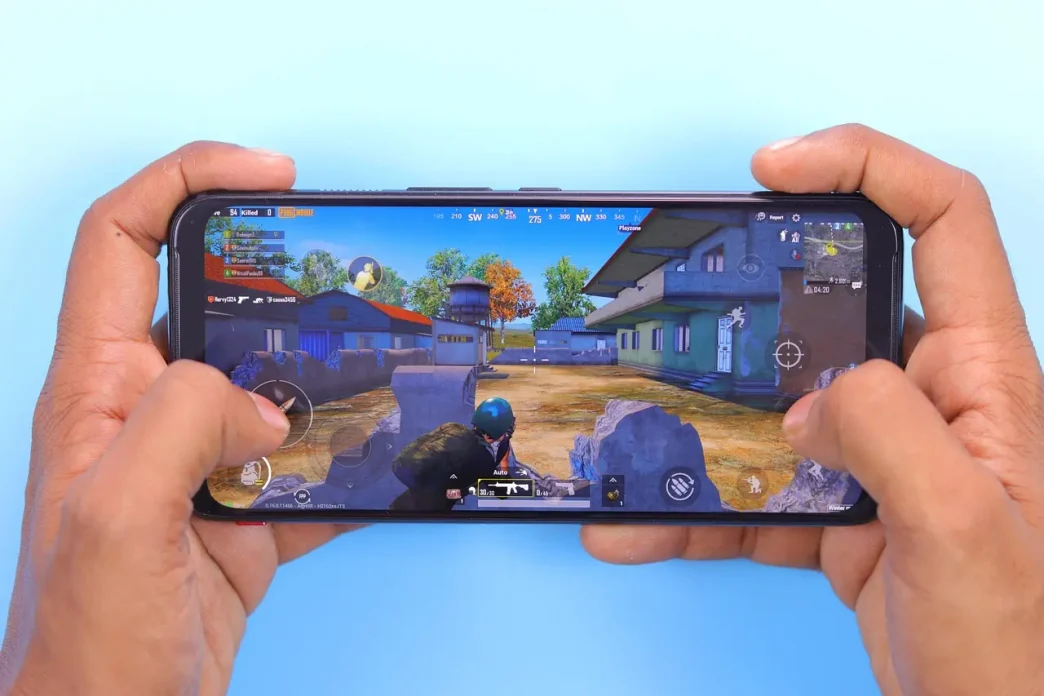
Like most technologies, mobile gaming has developed at an incredible rate over the last decade. Evolving into a staple of daily life and a prominent force in the entertainment industry. With the advancement of smartphones, people across the world can engage in their favorite console and PC games on their pocket devices. Mobile games are now able to keep up with the competition, offering incredible graphics, gameplay depth, and online communities from anywhere in the world.
Understanding Mobile Gaming
Mobile gaming allows users to play some of their favorite games, and new games, from their mobile devices. This offers users an element of accessibility and mobility that traditional consoles can’t. Users don’t need any extra hardware other than their phone to get started. Mobile gaming appeals to both traditional users and expert gamers alike due to its convenience.
Modern online casinos are a good example of how mobile technology has been leveraged to expand and build gaming communities. As a result, many modern iGaming sites can now connect their platforms to others like Discord, which allows for stronger community integration and a more lively experience for users. This has transformed the betting experience for players, who can now access mobile-friendly games and stay connected with other players while enjoying everything from expansive gaming libraries to generous bonuses and even crypto betting (source: https://www.discasino.com/).
Developers of mobile games are now able to reach global audiences with the expansion of app stores and online platforms. Players can now seek out eSports, online casinos, and social media games, amongst many others, through their devices. The influence of mobile gaming spans across the globe and reaches multiple sectors, with many operators looking to find ways to create apps to engage their communities.
Evolution of Mobile Gaming
In 2025, gamers have multiple options to choose from, from new models of traditional consoles, like the Nintendo Switch 2, to an array of options on their smartphones and tablets. Many gamers will fondly remember the days of using a Nokia 3310 to play a game of Snake. A game that set the foundations for the future of mobile gaming. However, mobile technology has come a long way since then, especially with the advent of touchscreen smartphones in the late 2000s.
With this came the expansion of app stores, allowing users to download their favorite apps onto their devices. Games like Angry Birds and Temple Run showed developers the potential that mobile gaming has to offer and the engaged global community that they can build behind them.
As the years have gone by, mobile games have become more technologically advanced. For example, operators started to create mobile multiplayer experiences like Clash of Clans and PUBG Mobile. Developers found new ways to integrate complex gameplay into mobile gaming applications.
Online casino and betting apps have come a long way since the conception of smartphones. Now, we can offer live dealer experiences, chat integration, mobile-optimized games, and the ability to play and chat all in one place.
Fast forward to today and mobile gaming is a fast-growing multi-billion-dollar industry with a global reach. Operators are continually looking at new ways to innovate to entice users, enhance their experience, and build communities around their products. However, whilst this progress has been significant, the growth of the industry also comes with limitations that operators and developers must navigate.
Advancements in Mobile Gaming
Connecting With Other Mobile Applications
A great advancement in mobile gaming, and one of the most impactful, is the ability to integrate multiple mobile applications. This means platforms can connect with applications like Discord, Telegram, or WhatsApp so players can engage in voice and text chat whilst gaming. This boosts the social element of mobile play and helps to build strong and engaged communities.
Applications such as Twitch and Youtube have also made it easier for gamers to live stream their gameplay directly from their mobiles to a global audience. Both of these advancements have strengthened the gaming community and made mobile gaming more enjoyable and interactive for players.
Mobile Optimization and High-Quality Displays
Developers are continually working to create high-quality mobile-optimized games for their products. By taking advantage of high refresh rate displays, better color accuracy, and responsive touchscreen, platforms have significantly improved the mobile gaming experience. Mobile gaming apps now offer clean and clear user interface and customizable controls. Operators are also looking for new opportunities to innovate their games in ways that are tailored to different screen sizes.
Accessibility
One of the greatest assets of mobile gaming is its accessibility. Traditional consoles and PCs require extra hardware and dedicated setups. Mobile games can be played anywhere across the globe that has an internet connection. Players from all over the world can connect, collaborate, and play games together in real time.
Augmented Reality (AR)
Augmented Reality (AR) works by blending digital features and overlays into the real world and has opened up huge possibilities for mobile gaming. Games such as Pokemon GO and Harry Potter: Wizards Unite have shown just how much AR gaming can have an impact on audiences. AR helps to create an immersive experience that also encourages plates to explore their cities and surroundings.
Artificial Intelligence (AI)
Artificial Intelligence (AI) has been a key advancement in the world of mobile gaming. AI-driven algorithms have allowed for personalized game recommendations, smarter NPCs, and adaptive difficulty levels. AI is especially used in the iGaming world, where it works to spot troubling gaming behaviors to allow operators early intervention.
Limitations in Mobile Gaming
Although there are many great advancements in mobile technology, mobile gaming still faces technical limitations. Even with the incredible transformation of smartphone technology, some operators struggle to navigate hardware constraints or adapt to smaller screens.
For example, live streaming on mobile devices is limited due to smaller screen sizes. Live streaming can also take up huge processing power which can mean that broadcast quality is reduced. Multiplayer online games will often require stable and strong WiFi connections, which can make them difficult to play on the go. Most importantly, mobile gaming can drain smartphone batteries very quickly. Meaning players will have to limit gaming sessions, plug into a socket, or carry external power banks.
Increased Competition
With the rise of mobile games also comes the rise of competition. Now more than ever operators have to find new and innovative ways to cut through the noise and engage new potential users. With thousands of games released daily on the app stores, it can be difficult for smaller games to gain traction. Smaller developers can be eaten up by big-budget projects. With games having to opt for in-game transactions to help support the costs.
Increased Design and Build Costs
As technology becomes more advanced, costs to develop and operate have also increased. Creating high-quality graphics and engaging storylines requires increased investment from operators. Developers must also make sure they have optimized their games for different operating systems, screen sizes, and technical specifications. This increases cost and project time.
Conclusion
Overall, the advancements in mobile gaming have led to it becoming a huge and impactful market across the world, with millions engaging in mobile games every day. Developers are increasingly able to leverage cutting-edge technology to improve the game experience on smartphones. These benefits allow the industry to compete with more traditional gaming methods.
However, mobile gaming still faces key challenges that operators need to navigate. From increased costs and competition to limitations in technology. As the industry continues to grow over the next few years it is expected that developers and operators alike will find new ways to innovate to overcome these challenges. Keeping mobile gaming at the forefront of the entertainment industry.