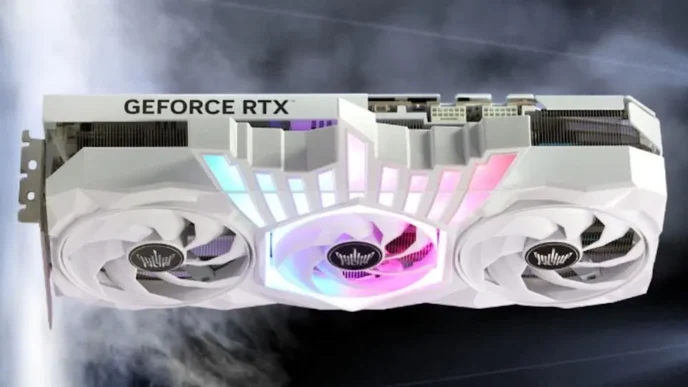
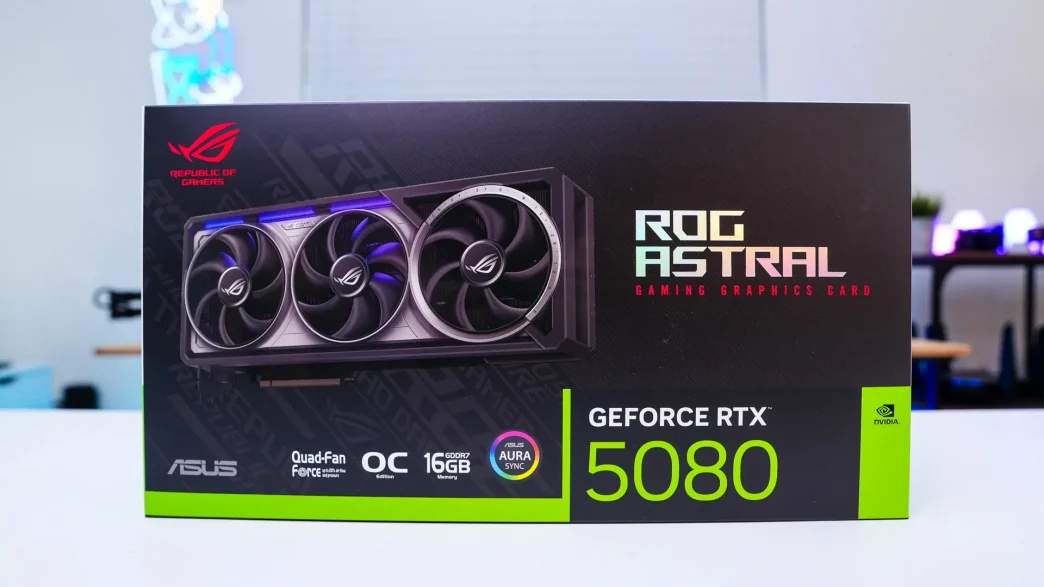
Reports indicate that ASUS is significantly reducing its production of the NVIDIA GeForce RTX 5070 Ti graphics card. This strategic shift is reportedly driven by a shortage of GDDR7 memory, leading ASUS to prioritize the manufacturing of higher-margin products like the RTX 5080. This move could impact the availability and pricing of mid-range GPUs for consumers.
Key Takeaways
- ASUS is reportedly ceasing production of the RTX 5070 Ti due to memory supply constraints.
- Production capacity is being reallocated to the more profitable RTX 5080.
- The RTX 5060 Ti 16GB model is also facing similar production halts.
- NVIDIA’s allocation strategy appears to favor higher-end GPUs where limited VRAM can be utilized most effectively.
Memory Shortage Drives Production Shift
Recent reports suggest that ASUS, a major NVIDIA partner, is phasing out the RTX 5070 Ti. This decision stems from a constrained supply of GDDR7 memory, a critical component for these next-generation GPUs. Instead of continuing production of the RTX 5070 Ti, ASUS is reportedly shifting its focus and resources towards manufacturing the RTX 5080, which offers a higher profit margin.

This strategy aligns with NVIDIA’s alleged efforts to optimize the use of its limited VRAM supply. By concentrating on models like the RTX 5080, NVIDIA and its partners can maximize profitability from the available memory.
RTX 5060 Ti 16GB Also Affected
The production issues are not limited to the RTX 5070 Ti. Reports also indicate that the RTX 5060 Ti 16GB model is facing similar supply shortages and is being designated as “end-of-life” by ASUS. This means that current stock on shelves will likely be the last available for this particular configuration.
NVIDIA’s allocation strategy appears to be prioritizing certain GPUs, particularly those that can best leverage the available memory. This could lead to a tighter market for mid-range GPUs with 16GB of VRAM, potentially forcing consumers to opt for higher-tier cards or models with less VRAM, such as the 8GB variants of the RTX 5060 and RTX 5060 Ti.
Impact on Consumers and Market Dynamics
The discontinuation of the RTX 5070 Ti and potential scarcity of the RTX 5060 Ti 16GB could have significant implications for gamers and PC builders. With fewer options in the mid-range segment, prices for remaining stock may increase, and consumers might be pushed towards more expensive alternatives. The RTX 5070 (non-Ti) with 12GB of VRAM is also reportedly experiencing tighter availability and rising prices.
While NVIDIA has stated they will continue to ship all GeForce SKUs and are working with suppliers to maximize memory availability, the actions of partners like ASUS suggest a more complex reality on the ground. The situation highlights the challenges in scaling production for new GPU architectures, especially when facing component shortages.