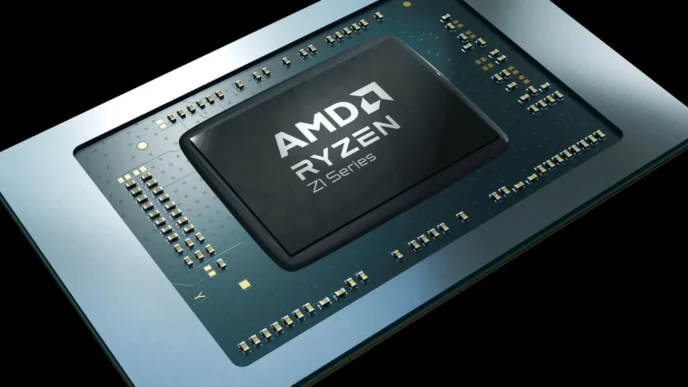
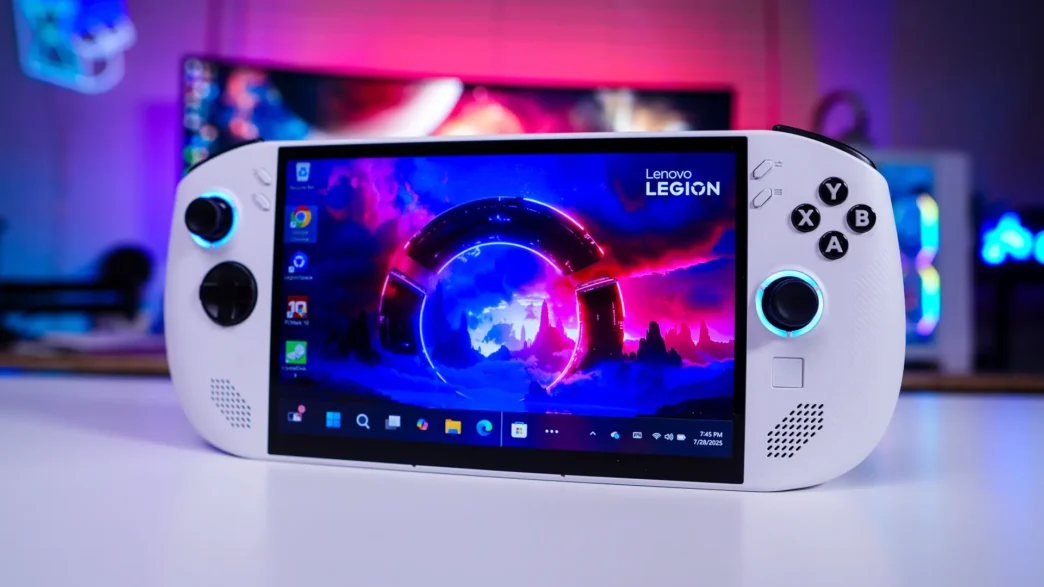
AMD has reportedly ceased new driver updates for its Ryzen Z1 Extreme chip, a blow to those owning popular handheld PCs like the Lenovo Legion Go and ASUS ROG Ally. This move, confirmed by regional support and community reports, raises serious concerns about product longevity and user experience in the rapidly growing handheld market.
Key Takeaways
- AMD has apparently stopped releasing updated drivers for the Ryzen Z1 Extreme processor.
- Lenovo Legion Go users are the first publicly affected; other devices like the ASUS ROG Ally may also be impacted.
- OEMs rely on AMD for driver distribution, testing, and updates specific to their handheld models.
- Confusion remains over whether AMD or device manufacturers are primarily responsible for halting updates.
Why Are the Updates Stopping?
Recent statements from Lenovo Korea support indicate that no further driver or BIOS updates are planned for the original Legion Go. Owners of the device have noticed their drivers are several months old—with ASUS and Lenovo pushing users to rely on Windows or AMD’s universal drivers where compatible. Meanwhile, newer devices using the Ryzen Z2 family continue to receive regular support, leaving Z1 Extreme owners in limbo.
Impact On Owners And The Handheld Market
The Ryzen Z1 Extreme debuted in 2023, powering several leading handheld gaming PCs. Now, with support winding down less than three years after launch, owners are frustrated. Many games and features—especially on Windows—depend on regular graphic driver updates. Without them, new releases and system upgrades could pose serious compatibility problems over time.
The decision is especially controversial as competing chipsets, including those from Nvidia and Intel, have historically maintained driver support for long periods. For Z1 Extreme users, especially those who invested hundreds of dollars, the abrupt reduction in support has eroded confidence in both AMD and OEMs.
Who Is Responsible—AMD Or OEMs?
Driver rollouts for handhelds often depend on cooperation between AMD and each device’s manufacturer. AMD supplies the updated drivers, but Lenovo, ASUS, and others must customize and validate them for their unique power profiles and features. This sharing of responsibility has muddied the waters: some in the community blame AMD for not providing new driver packages, while others point to slow or halted testing on the OEM side.
What Can Users Do Now?
- Continue checking Windows Update and manufacturer software (like Lenovo Vantage) for any residual updates.
- Consider installing AMD’s universal drivers, but only if compatible—cross-installation between different device models (e.g., Legion Go S and Legion Go) is not advised.
- Stay tuned to community forums and official channels for any reversals or clarifying statements from AMD or major OEMs.
Looking Ahead: Unanswered Questions
While AMD’s universal drivers may provide some measure of ongoing compatibility, true support for device-specific features and optimizations likely requires official, tailored packages. The technology community now waits to see if AMD or its handheld partners will clarify their support strategy or succumb to growing customer backlash.
Via Reddit