ASUS ProArt LC 360 Installation
As with most AIOs, the installation of the ASUS ProArt LC 360 is a very straightforward process. As DIY PC building seems to be getting more popular each and every day, the option of AIO liquid coolers is sure to entice those wanting to have a more advanced build, and easy installation will go a long way towards not scaring off first-time builders. As I mentioned when I covered the included accessories, ASUS has included all of the necessary mounting hardware for modern AMD and Intel platforms, as well as a physical installation guide. We are seeing more companies move to digital versions of their product manuals, and while I appreciate their reduced waste, I still prefer a physical copy of installation instructions.
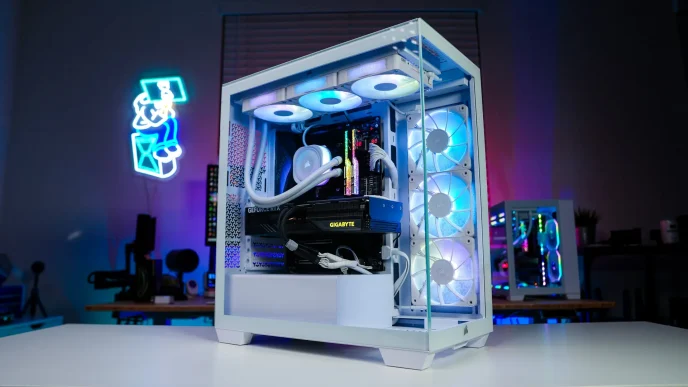
Our testing is performed with the fans in a push configuration, and that is how I arranged the Apex Stealth Power fans. I love the pre-installed fans that many companies are moving towards, though there may be some logistics challenges when using a 3rd party, and it might make more sense to go this route when considering pre-installed fans.
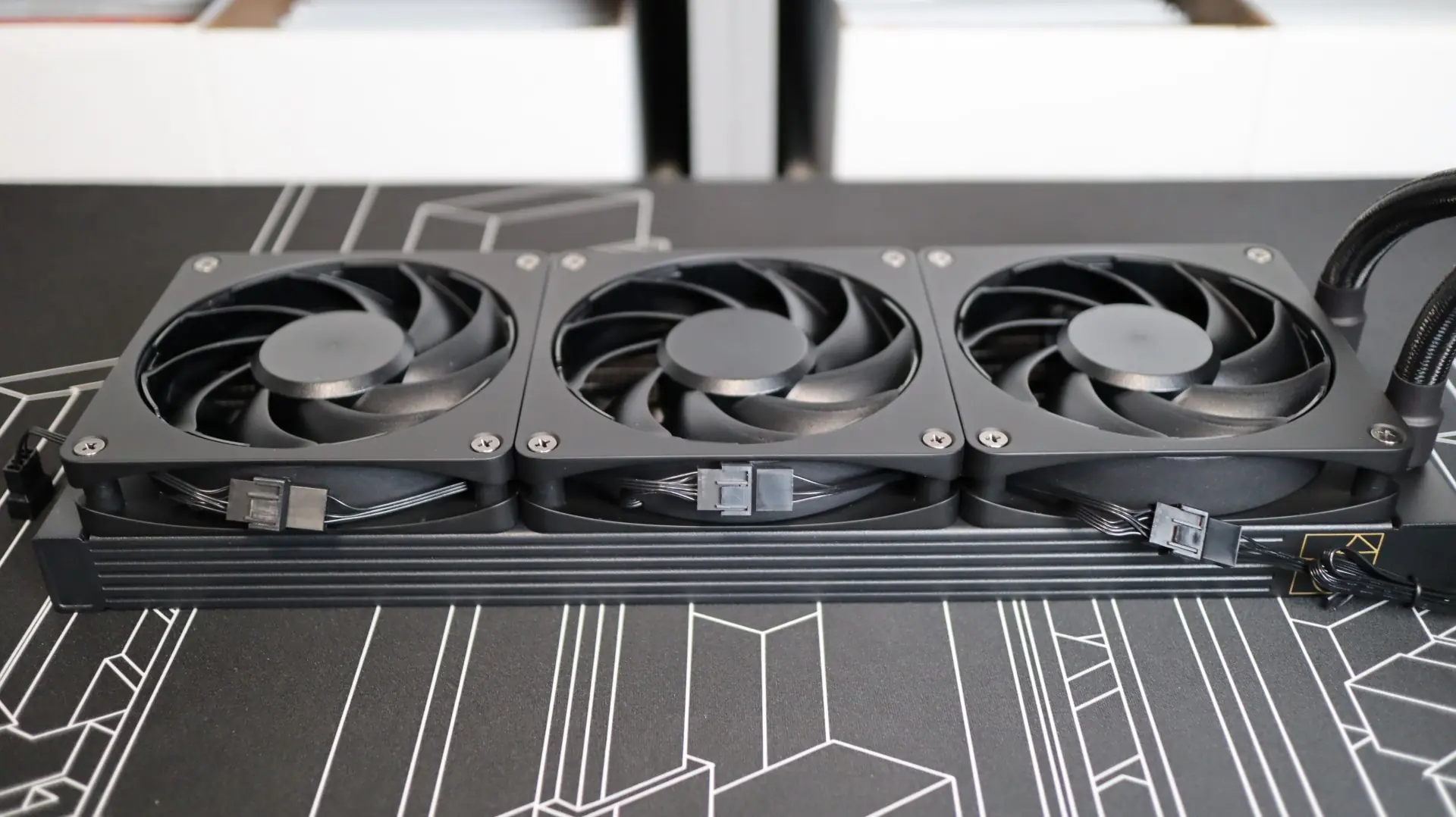
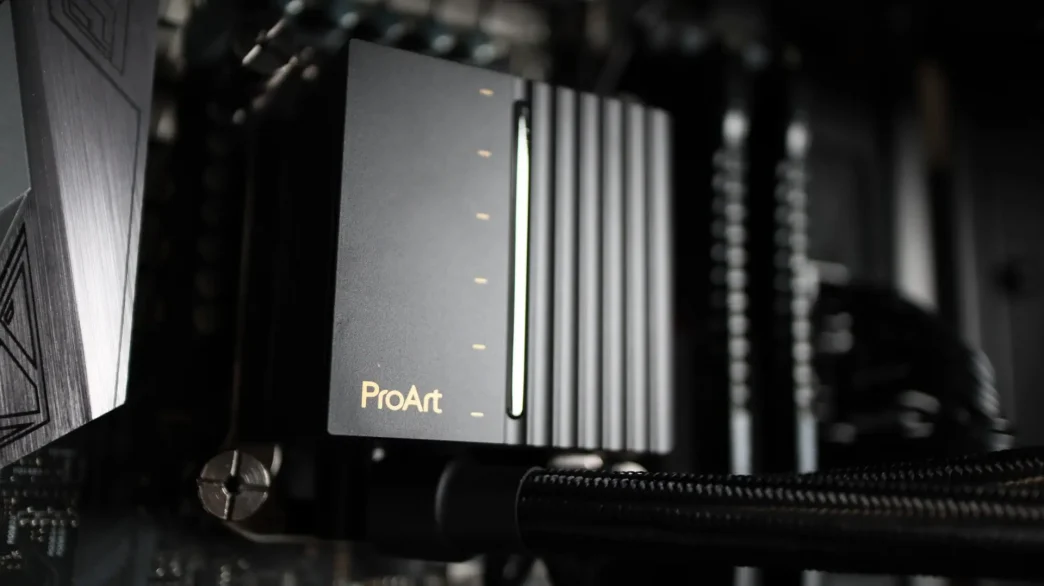
From the factory, the ProArt LC 360 has universal mounting hardware installed, so there is no need to install any AMD mounting hardware to the pump housing for my Ryzen 7 1800X test system.
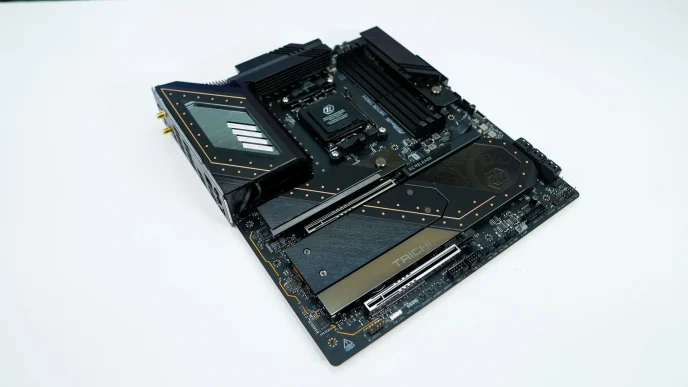
ASUS chose not to use the factory AMD mounting clips for securing the cooler to the motherboard, so I did have to remove the plastic mounting brackets in order to secure the cooler to the motherboard. Instead, multiple threaded adapters and a mounting plate are attached to the motherboard to support the use of the universal mounting hardware on the pump housing.
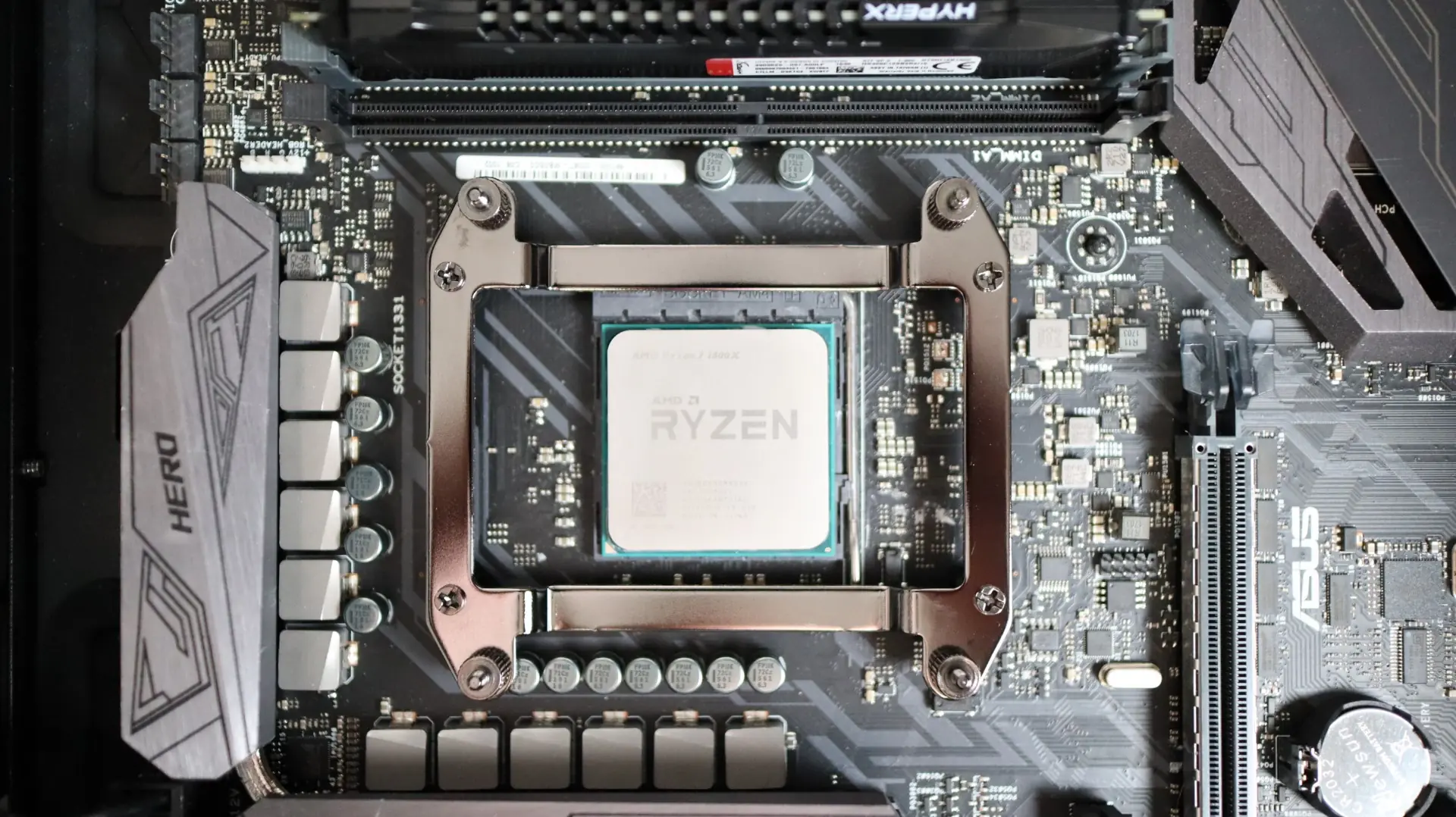
As mentioned earlier, ASUS has pre-applied the thermal paste to the base of the cooler, which is another feature that makes installation that much easier, though you do have to be careful not to smudge it when swapping out mounting hardware. I do however wish that ASUS would provide a small syringe of thermal paste with this AIO, as sometimes you need to remove the cooler and re-install, which should always be paired up with a fresh application of thermal paste.
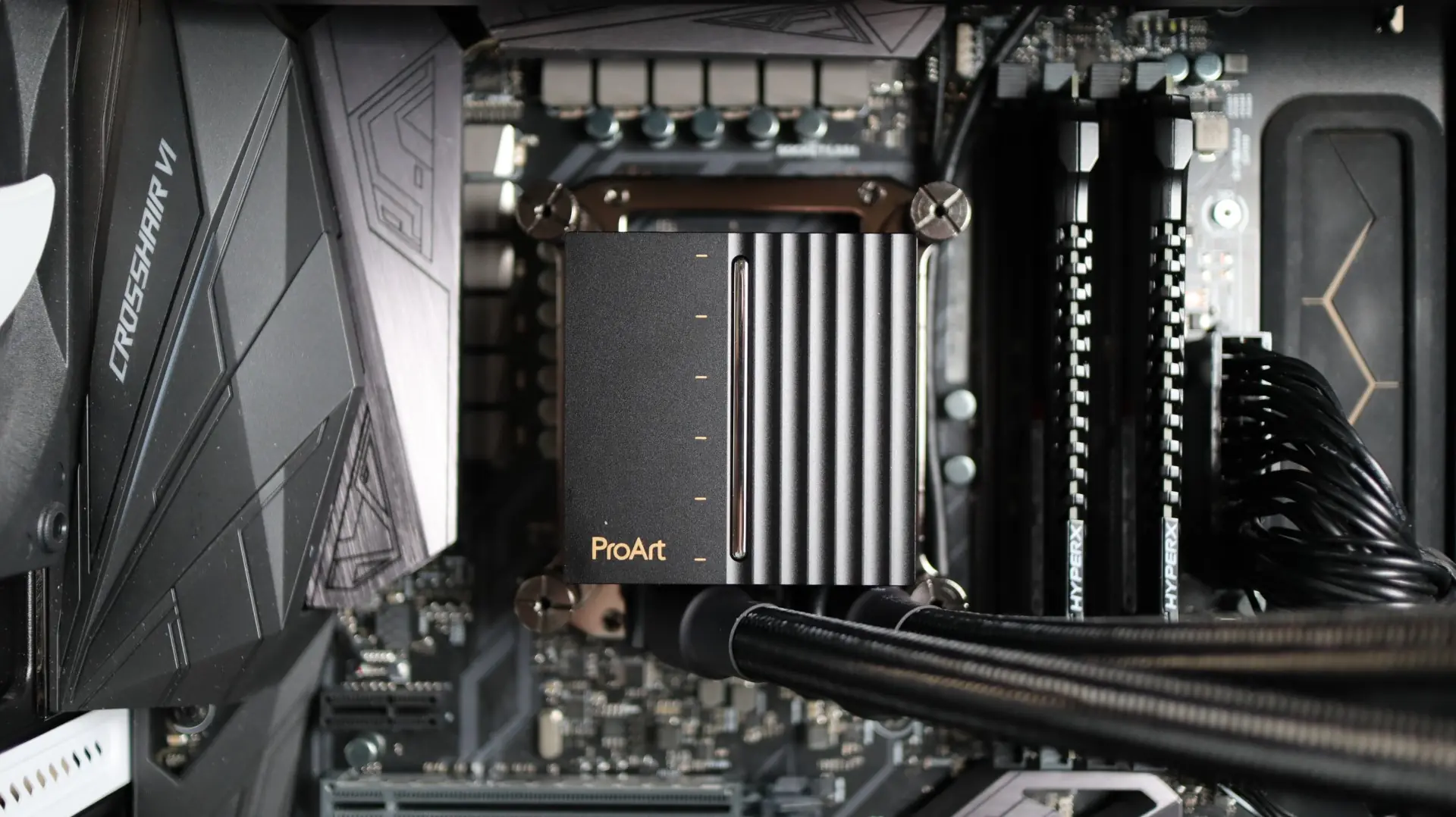
With the mounting hardware in place on the motherboard, it is time to simply line up the cooler with the brackets and tighten everything down with the included thumbscrews.
Next up is attaching the radiator to the top of our case. Using the twelve included screws, simply align them with the appropriate mounting points on your case, and tighten. I also made sure to thread the and PWM cables from the pump housing and radiator, as well as the CPU_Fan PWM cable, through the cable grommets in my case in preparation of wiring everything up.
With everything installed, it was time for testing.