Building a gaming PC is very exciting, and it’s a project where tech meets style. Gamers want their structures to look good, but they also need power. Today we’ll explore how people balance the look of their setup with the performance they need.
At Hellspin, you don’t have to be tech-savvy at all to use the seamless platform for your online gaming needs. With their sleek and modern design, user-friendliness, and high-quality graphics, you’ll be flying through your favorite casino catalogs in no time.
1. The Foundation: Picking the Right Parts
- CPU: The CPU is the “brain” of the computer and popular choices are Intel and AMD. People want high processing, but without overheating or consuming too much power.
- GPU: The GPU, or graphics card, handles visuals. This is crucial for high quality. It’s often the most expensive part but the most important for titles that rely on intense graphics.
- RAM: RAM, or memory, helps the computer run smoothly, and most go for at least 16GB, though 32GB is even better.
- Storage: SSDs are a solid choice because they are fast, especially compared to traditional HDDs. Many pair a smaller SSD with a larger HDD to save costs.
2. Aesthetics: RGB, Cases, and Cooling
- RGB Lighting: RGB lights are popular because they add color. People can adjust colors, create patterns, or set lights to change based on their actions. Some even sync RGB lights to match the colors on their screens.
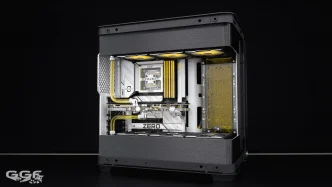
- PC Case: The case is another big choice, as it needs to fit all the components and allow good airflow. Cases with glass panels let you show off your layout. Many now come with RGB lighting or spots.
- Cooling Systems: High-performance parts get hot, so cooling them is key, especially the GPU and CPU. There are two main types: air and liquid.
3. The Importance of Cable Management
A clean setup isn’t just about looks; it helps with airflow too. Proper cable management is essential for both style and function. Messy cables can block airflow and trap heat. Here’s how people manage their cables for a clean look:
- Cable Ties: These are affordable and help bundle cables together. People often use zip ties or Velcro straps for easy adjustments.
- Cable Channels: Many PC cases have channels to hide cables behind a panel. This keeps them out of sight and helps improve airflow.
- Color-Coordinated Cables: Some buy colored cables to match. It adds a cohesive look, especially when combined with RGB lighting.
4. Gaming Monitors: A Key Piece
A great PC needs a great monitor, and its design and resolution impact the entire experience.
- Resolution: Resolution determines how clear things look. Common measurements are 1080p, 1440p, and 4K. High resolution is ideal for detailed visuals, but it demands more from the GPU.
- Size and Design: Many prefer a size between 24-32 inches. Some go for curved monitors, which provide a more immersive layer.
Additional things to watch out for:
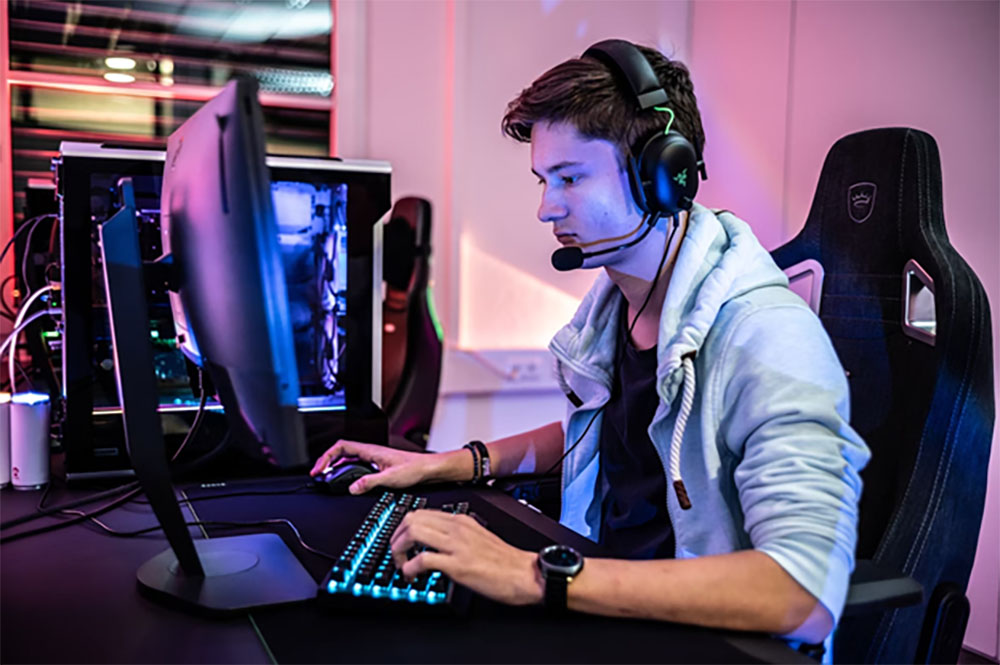
- Mouse: A good mouse is precise. People look for ones with adjustable DPI (dots per inch). RGB lighting on a mouse can match the rest of the setup, adding a cohesive look.
- Headsets: A headset helps with sound immersion, so many have noise-canceling features.
- Posters and LED strips are common ‘final touches’. Some even add a second or third monitor for multitasking or streaming.
6. Budget, Performance and Looks
Such projects can get expensive quickly, and balancing budget with performance and aesthetics is always a challenge. Here are some tips:
- Prioritize Key Parts: Buyers often spend most on the GPU and CPU, as these are the core of the experience. After that, they budget for aesthetics.
- Look for Sales: Hardware prices drop during sales, so patience can save you a lot of money on high-end parts.
- DIY Options: Building a setup can include DIY parts, like custom RGB lighting or 3D-printed accessories. These can be affordable and look unique.