Taking out a graphics card from the motherboard can be challenging. In the past, the only way to remove the cards was to carefully disengage the PCIe retention clip, a process that isn’t easy or particularly safe, especially considering the large size of today’s graphics cards.
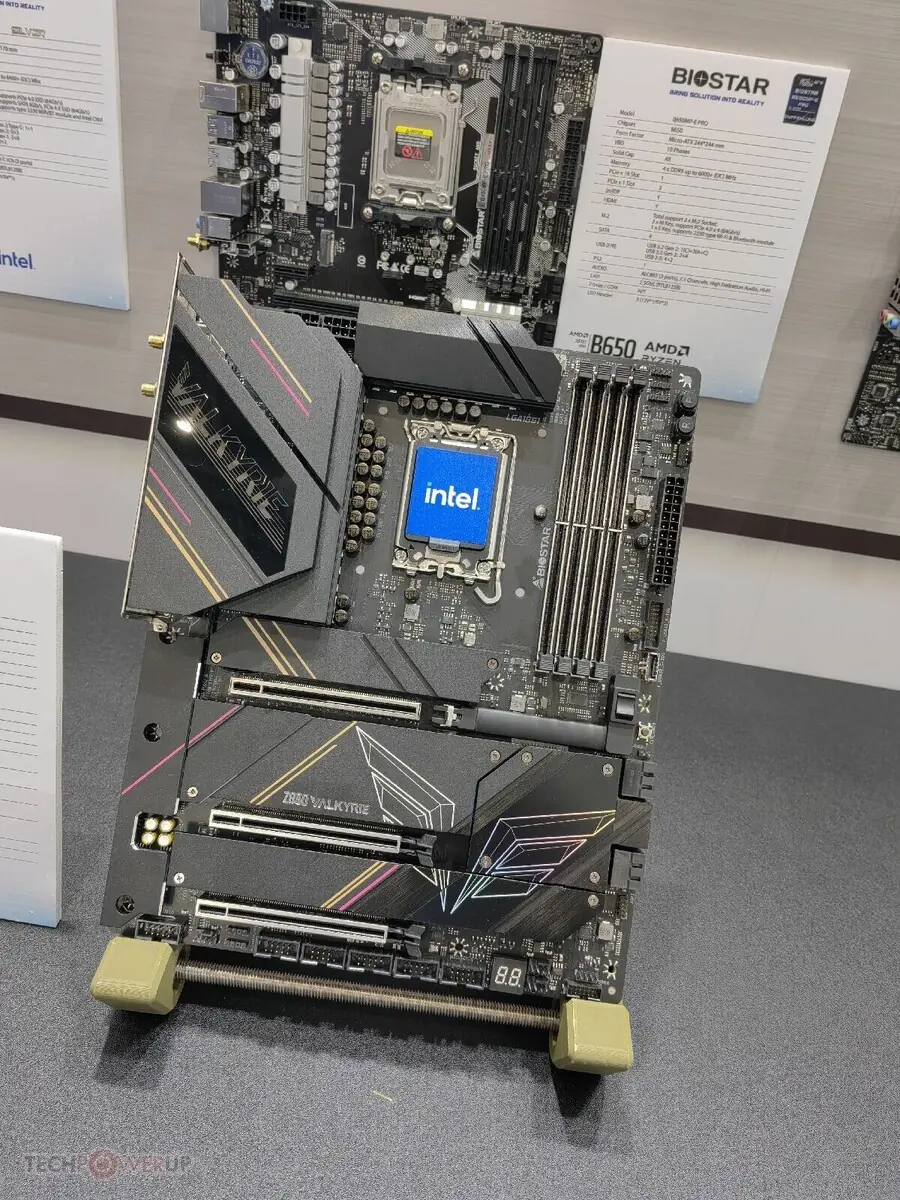
Fortunately, motherboard manufacturers are finally tackling this problem. They’ve started introducing easier ways to remove graphics cards, replacing the old latch system with release buttons or doing away with buttons altogether.

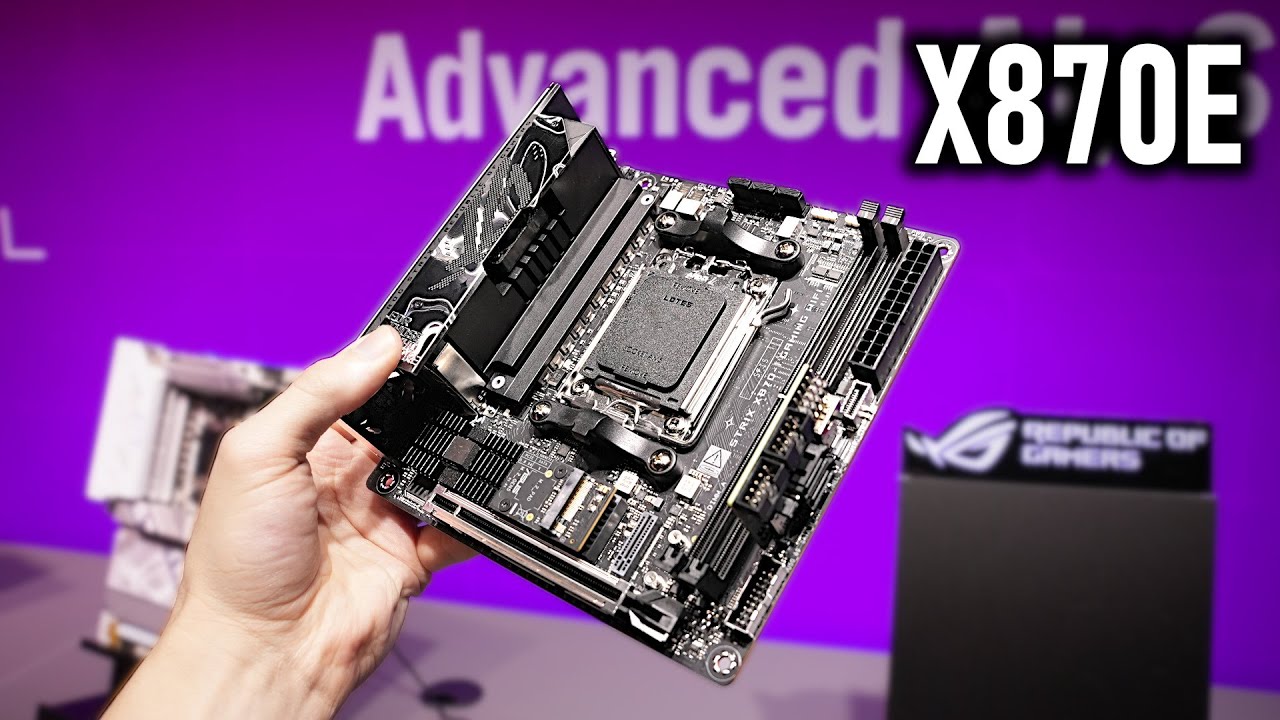
With the latest AMD 800-series, ASUS is rolling out its PCIe Q-Release Slim GPU release feature, which does away with the release button entirely, streamlining the removal process even further. The retention mechanism is integrated into the slot itself and won’t release the graphics card if pulled from the center or right side. However, when the card is pulled from the front (near the I/O bracket), the Q-Release mechanism smoothly releases the card. This design eliminates the need for a button, making the process very convenient.
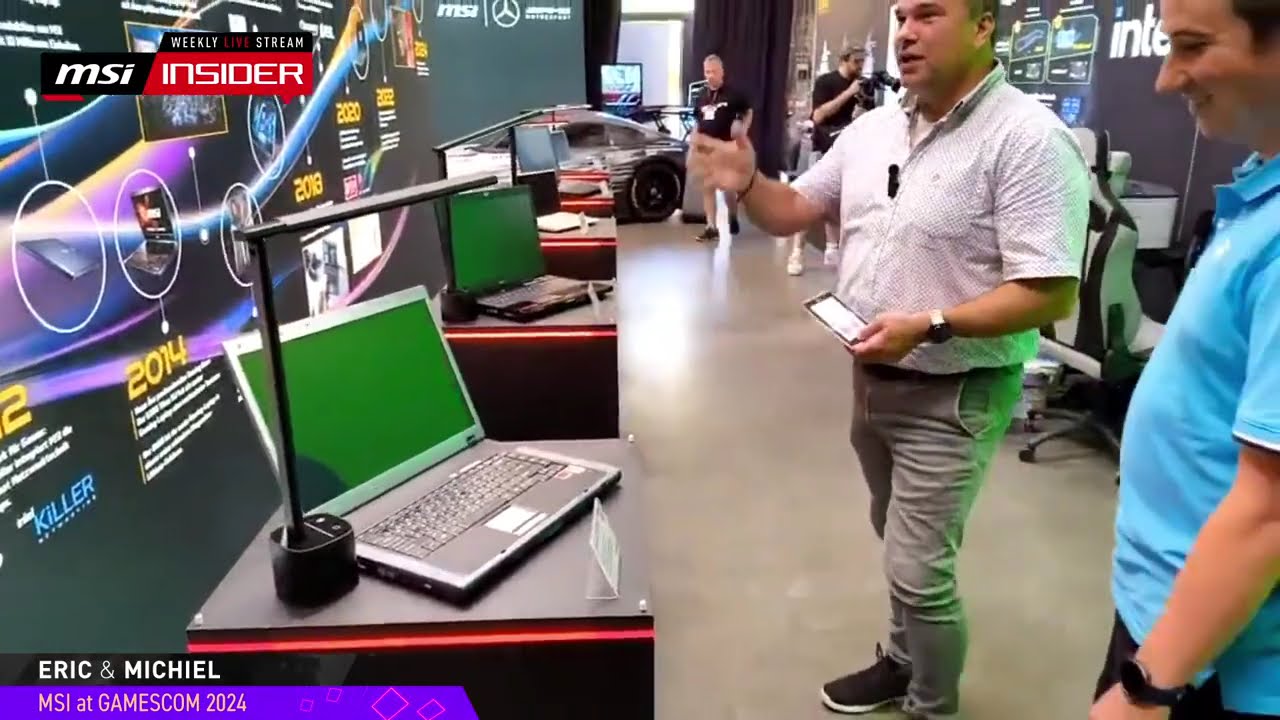
At Gamescom, MSI is presenting a new graphics card removal mechanism for their latest 800-series motherboards designed for Intel Arrow Lake-S desktop CPUs. The new feature, called EZ PCIe Release, still uses a button for release. It was demonstrated on the Z890 MPG EDGE motherboard, which sports an all-white color scheme.
Other manufacturers are expected to adopt similar mechanisms with likes of Gigabyte AORUS, Biostar VALKYRIE, and ASRock who have already shown such features during Computex.
PCIe Express interface will continue to be a key component for desktop graphics cards for years to come. It’s promising to see easier solutions emerging for such a common issue. Additionally, many companies are introducing simpler M.2 SSD installation mechanisms, making PC building even more straightforward.
Images: TechPowerUp