Intel has confirmed the source of the crashes affecting its 13th and 14th Gen CPUs and plans to release a patch to address voltage-related problems that have plagued many users.
Short Summary:
- Crashes in 13th and 14th Gen Intel CPUs linked to insufficient power during demanding tasks.
- Intel advises users to switch to “Intel Default Settings” in their BIOS for stability.
- A patch to rectify voltage issues is expected soon.
In a significant stride toward ensuring user satisfaction, Intel has acknowledged the issues surrounding its 13th and 14th Gen Core CPU series, particularly affecting unlocked K-series processors. Users have reported instability when the CPUs are subjected to high workloads, leading to premature crashes during demanding tasks like gaming and content creation. These problems have been particularly pronounced with titles such as Hogwarts Legacy and Dying Light 2, sending waves of frustration through the PC enthusiast community.
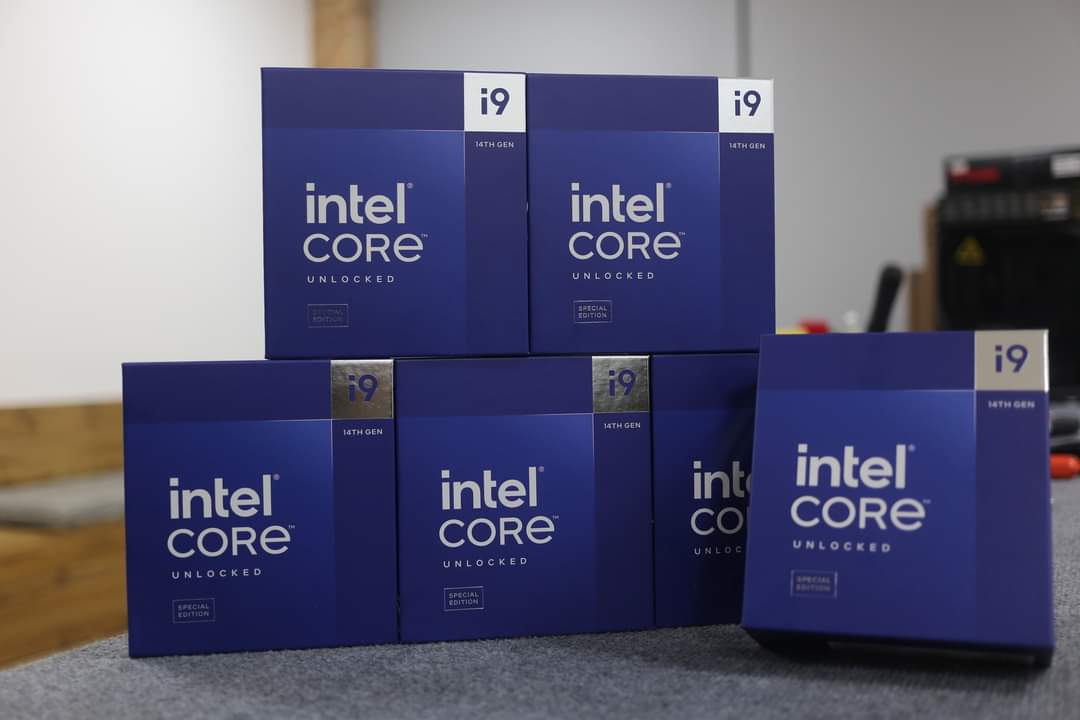
It’s been observed that certain workloads require more voltage than the processors receive in default settings, resulting in unexpected crashes. According to a report from Tom’s Hardware, Intel is currently working with its partners to analyze these stability issues.
“We’re engaged with our partners and are conducting analyses of the reported issues,” Intel stated in an official communication.
As many gamers and content creators have expressed their frustrations on forums and communities, users have been sharing their experiences with possible solutions. A Steam user, for example, recounted how despite trying numerous adjustments—like disabling Hardware-Accelerated GPU Scheduling (HAGS), changing graphic settings, and even capping FPS—crashes persisted. They ultimately discovered that updating BIOS settings could rectify these issues.
Understanding the Core Issues
For users facing crashes, the first recommended step is to ensure that the motherboard BIOS is updated to the latest version. Intel has specifically suggested utilizing the “Intel Default Settings” power profile in BIOS. This adjustment appears to address power distribution problems whereby CPUs were not receiving sufficient voltage under high-load conditions. Users relying on a GIGABYTE Z790 UD AC motherboard have reported success after enabling this power profile.
According to Intel, the root of these crashes lies not directly in the CPU architecture but rather in voltage regulation. The following points capture essential insights from discussions within the community:
- Users should consistently check their motherboard’s compatibility for setting “Intel Default Settings”. A failure to do so may result in continued instability.
- Many have successfully updated their BIOS, which sometimes adds new options, including pertinent settings recommended by Intel.
- Those experiencing issues with different manufacturer boards (such as ASUS or MSI) should similarly look for updates that include the Intel settings.

Looking Ahead: Intel’s Action Plan
Intel is gearing up to release a software patch aimed at addressing the less-than-ideal power management settings defaulted on many of its recent high-performance CPUs. The upgrade is anticipated to enhance CPU reliability and optimize performance under load, thus improving the overall user experience. However, the precise timing of the patch’s release hasn’t been clearly communicated, leaving the community in a state of anxious anticipation.
The excitement doesn’t end with users implementing fixes; many tech communities are rallying around Intel’s proactive measures, looking forward to improved consistency and performance across the 13th and 14th Gen chip lines.
Intel has also encouraged any users experiencing these critical issues to reach out to their customer support for personalized guidance. Intel’s resolve reflects how crucial it is to maintain transparent communication with consumers, especially after the substantial complaints regarding instability.
PC Building and the Enthusiast Community’s Response
The tumult surrounding Intel’s K-series CPUs has led to a lively discourse within various enthusiast forums. Many users have begun leaning toward AMD processors as potential replacements, leaning on the argument that AMD’s chips yield heightened stability and fewer reported issues. The suggestions have resonated particularly amid ongoing concerns of quality cuts as chip giants compete for market share.
Communities are buzzing with snippets of advice and experiences as users explore alternative sourcing options for their builds. Suggestions about compatible cooling solutions, longevity measures, and power supply recommendations have become common. Enthusiasts are also sharing their experiences with alternatives to Intel’s offerings:
- AMD’s Ryzen CPUs are increasingly seen as favorable alternatives due to their stability and reliability.
- Discussions emphasize the benefits of utilizing dual-channel memory configurations, emphasizing how they promote overall system performance.
- There’s a rising trend to invest in high-quality PSUs to support contemporary high-performance computing demands.
Conclusion: Navigating Forward
As Intel prepares for significant improvements and adjustments to its 13th and 14th Gen CPUs, the focus has shifted toward establishing a more stable platform for users. PC enthusiasts continue to navigate these turbulent waters with a notion of resilience, deploying workarounds and solutions until Intel provides the awaited patch. This evolving landscape highlights the importance of user empowerment in the face of hardware challenges, as well as the collective wisdom available in the PC hardware community. Enthusiasts and casual users alike are encouraged to stay informed, engage with support channels, and actively participate in forums for shared experiences and solutions.
As this story develops, we’ll keep you updated on further announcements from Intel, alongside insights into optimizing systems for peak performance.