Intel has announced its highly anticipated Panther Lake architecture—the company’s next-generation chip for consumer, business, and AI-focused personal computers. Built on the advanced Intel 18A process at the new Fab 52 in Arizona, Panther Lake marks a major leap in semiconductor manufacturing and is set to power a new class of AI PCs from 2026.
Key Takeaways
- Panther Lake is Intel’s first AI PC platform built on the advanced 18A process, signaling a significant shift in chip technology.
- Production begins in late 2025, with broad consumer launch expected in January 2026.
- Panther Lake outpaces previous generations in performance, energy efficiency, and AI capability, integrating a new scalable multi-chiplet design.
A New Generation of AI Computing
Panther Lake anchors Intel’s Core Ultra series 3, the first client CPUs built on a 2-nanometer-class process entirely within the United States. Leveraging new manufacturing breakthroughs like RibbonFET transistors and PowerVia backside power delivery, Panther Lake offers both high performance and superior energy efficiency compared to earlier chips.

This series aims to set the standard for AI-enabled PCs, targeting sectors ranging from consumer laptops to high-end gaming rigs, and from enterprise workstations to robotics and edge computing devices. The new architecture supports up to 16 performance and efficiency cores, delivering more than 50% faster CPU and graphics output versus its predecessor. AI acceleration is a standout feature, with up to 180 TOPS (trillions of operations per second) for next-generation AI workloads.
Inside the Panther Lake Design
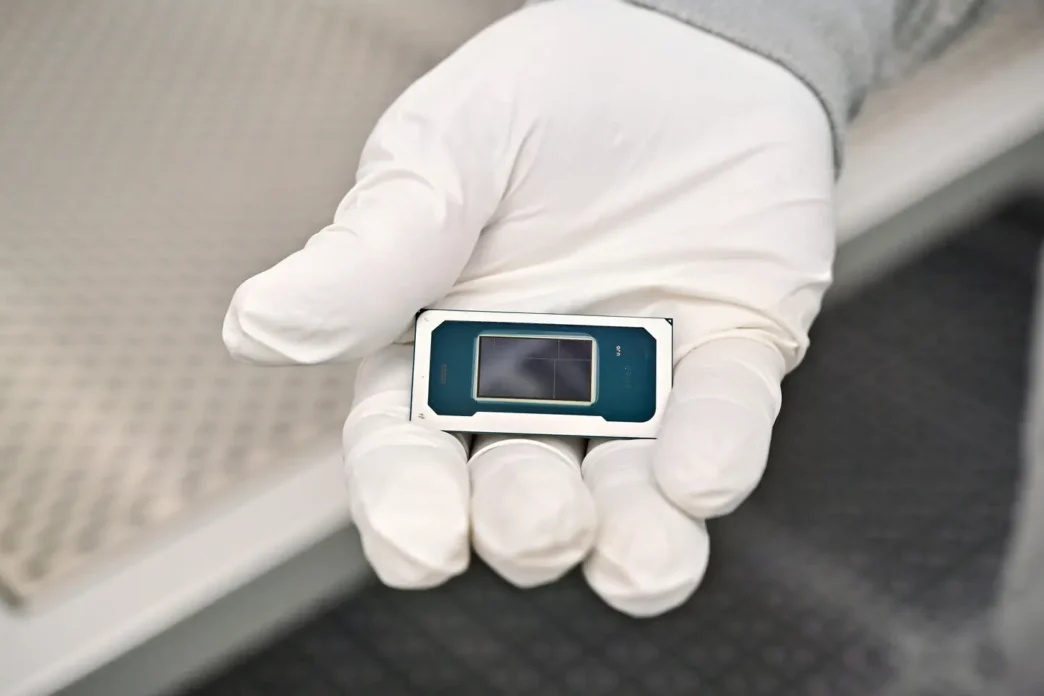
Panther Lake introduces a scalable, five-tile architecture:
- Compute Tile: Features the latest CPU cores (Cougar Cove P-Cores, Darkmont E-Cores) for fast and efficient processing.
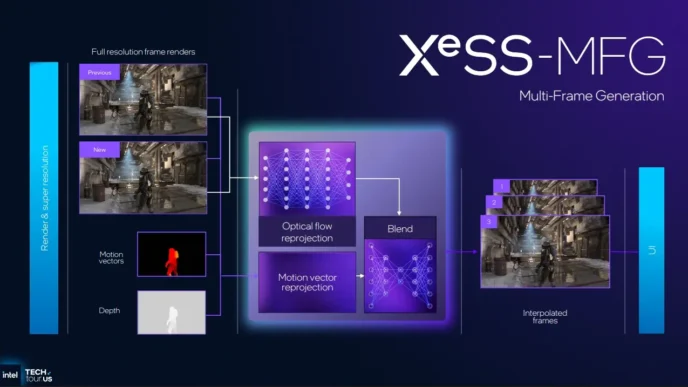
- Graphics Tile: Integrates the Xe3 “Celestial” architecture GPU with up to 12 Xe cores, offering significant graphics and AI improvements.
- SoC & I/O Tiles: Handle system connectivity and communication.
- Filler Tile: Aids in chip stability and integration.
Support for both LPDDR5 and DDR5 memory ensures broad compatibility across device categories. The chip’s modular design allows manufacturers to customize platforms for a diverse range of products and price points.
Built in America, Designed for the World
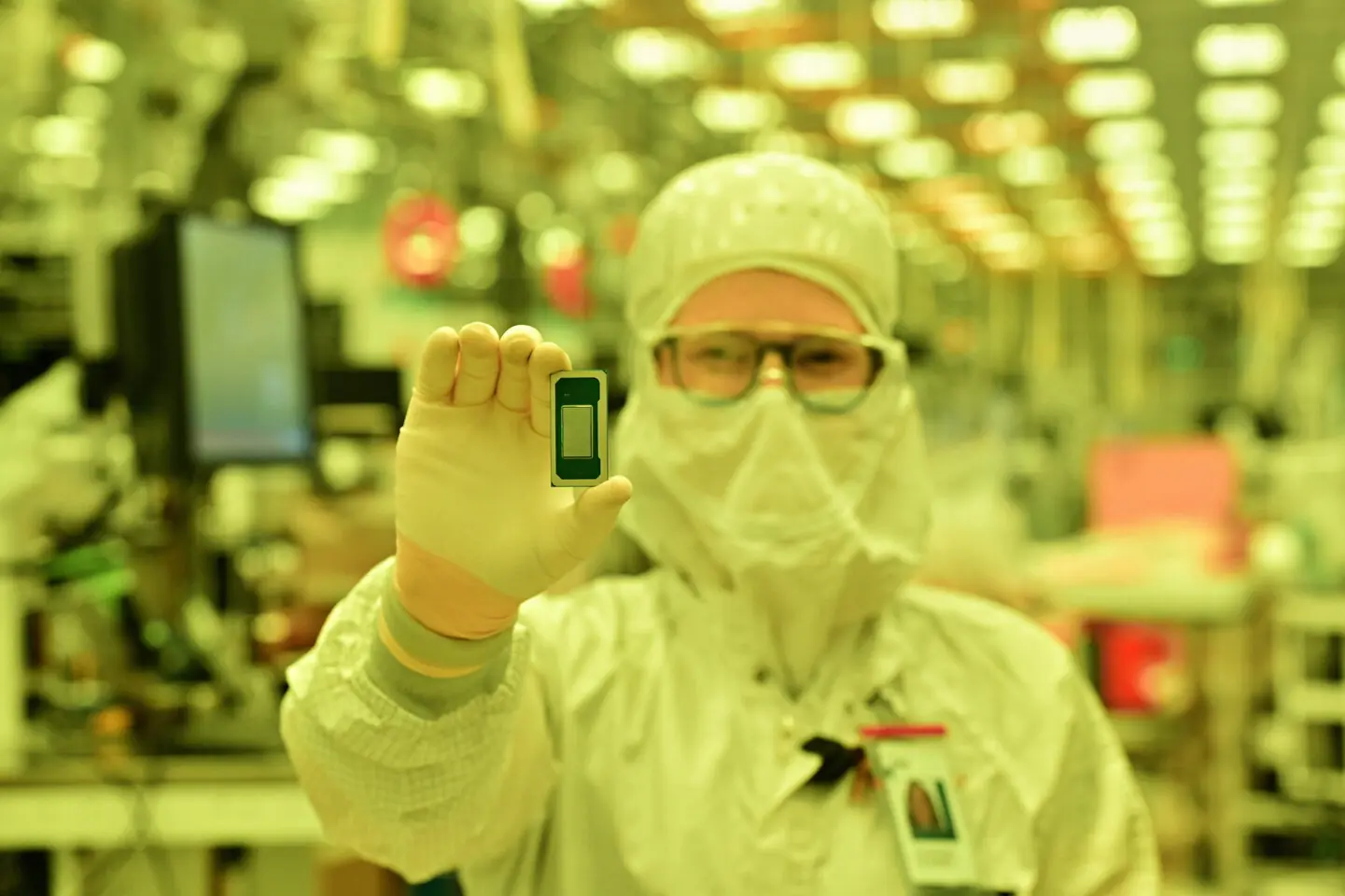
Intel’s decision to manufacture Panther Lake on the 18A process at Fab 52 in Arizona highlights a strategic push for supply chain resilience and U.S.-based technological leadership. The Arizona plant, part of Intel’s $100 billion expansion, will handle high-volume chip production, with key R&D and packaging support coming from Oregon and New Mexico.
Expanding the AI Ecosystem
On the software side, Intel is rolling out a dedicated Robotics AI suite and developer boards, broadening the reach of Panther Lake beyond traditional PCs to include robust industrial and robotics applications. The company sees Panther Lake as the baseline architecture for at least three future chip generations, underpinning both client and server platforms.
Outlook and Next Steps
Intel’s roadmap positions Panther Lake as a catalyst for industry-wide innovation and as a direct competitor to rival AI chips from Apple, AMD, and Qualcomm. With chips already sampling to key customers and initial production underway, the launch window is set for early 2026.
Panther Lake is more than a simple upgrade; it is the cornerstone of Intel’s new direction for AI computing, marrying advanced U.S. manufacturing with technical ingenuity for the next decade’s digital transformation.
Via Intel