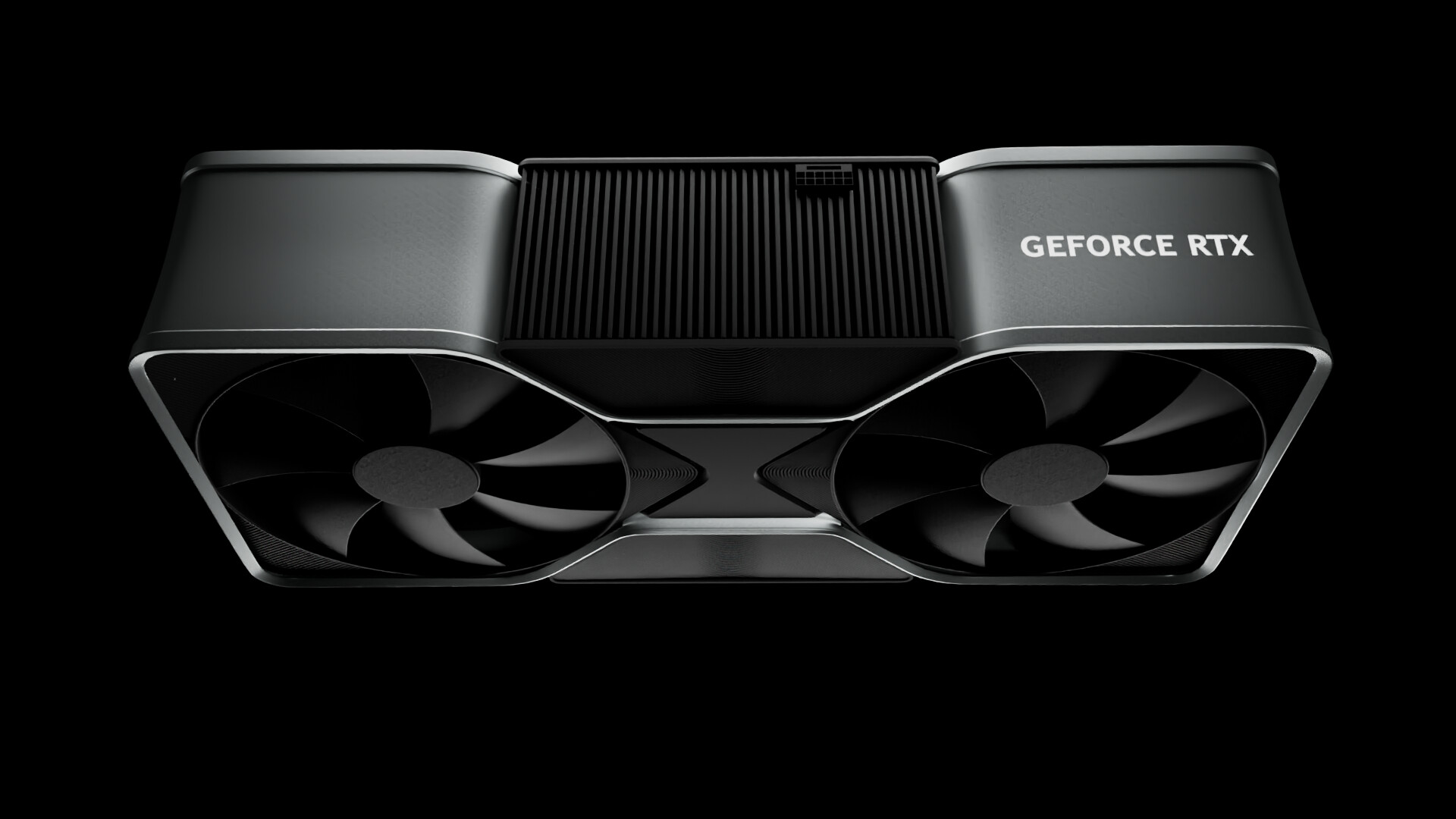
NVIDIA’s next-generation GeForce RTX 50 series, known as “Blackwell,” is reportedly set for a delayed launch, with reliable sources indicating that we won’t see these eagerly awaited GPUs until CES 2025.
Short Summary:
- NVIDIA’s RTX 50 series is expected to launch in January 2025, coinciding with CES.
- The anticipated delay is attributed to various factors including current market conditions and production issues.
- AMD and Intel are expected to follow suit with their next-gen GPUs, all targeting a 2025 release window.
The anticipation around NVIDIA’s GeForce RTX 50 “Blackwell” GPUs reached a new height with recent information pointing towards a delay in their unveiling. According to industry insider and leak specialist @kopite7kimi, the new RTX 5090 and RTX 5080 models won’t make their debut until the Consumer Electronics Show (CES) 2025, scheduled for January 7-10, 2025, in Las Vegas. Initially, enthusiasts were looking forward to a release by the end of 2024. However, it seems that fans may have to wait a bit longer to experience NVIDIA’s next-generation graphics technology.
https://twitter.com/kopite7kimi/status/1815314518656118837
This news follows a similar trend in the graphics card space, where AMD’s Radeon RX 8000 series, powered by the RDNA 4 architecture, is also anticipated to wait until CES 2025 for its announcement. A dramatic GPU showdown in Las Vegas appears to be in the making, but the excitement is somewhat mitigated as AMD reveals that its latest line-up will primarily consist of mid-range refreshes, contrasting with NVIDIA’s plans for flagship offerings.
Currently, NVIDIA’s existing GeForce RTX 4090 continues to dominate the high-end gaming space, having proven itself as a powerhouse for nearly two years now. As a result, this year may mark a significant drought in new graphics card releases. The expected delay means that Intel’s next-gen Battlemage GPUs are also projected to launch in 2025, leaving a void in the market and creating a unique scenario where NVIDIA seems to be unopposed in the current cycle.
Analysts speculate that NVIDIA’s postponement is due to several interrelated factors. Industry insiders suggest that issues with GDDR7 memory production could be affecting timelines. Additionally, with NVIDIA currently reaping substantial revenue from its AI chip sales—five times that of its gaming GPUs—it raises questions about the company’s urgency to push the Blackwell GPUs into the market.
This unexpected shift in launch strategies reveals a potential tactical approach from NVIDIA to manage supply chains while maximizing profits. By holding off on releasing new graphics cards, NVIDIA can deplete its existing inventory of RTX 40 series cards and maintain healthy margins until new products are ready.
Moreover, NVIDIA’s strategic delay may also leverage the upcoming CES event, an annual landmark in the tech industry where companies unveil new products and plans. Having a global stage like CES aids in amplifying the announcement impact, allowing NVIDIA to create a substantial buzz around the Blackwell series. This timing aligns with rumors that NVIDIA’s specific RTX 5090D variant, exclusive to the Chinese market, will also be showcased at the same event.

As the delay becomes clearer, it casts a shadow over other potential GPU launches within the industry. AMD’s RDNA 4 architecture is in a holding pattern, with rumors suggesting similar postponements. Twists within the community have resulted in uncertainty, with various sources providing contradicting information regarding specific release windows. Some reports suggest potential late 2024 announcements, but they emphasize that such timelines often differ from actual product availability.
While the anticipation builds, key features and specifications of the RTX 50 series remain focal points of discussion. Reports have hinted at a revamp in NVIDIA’s naming convention and GPU architecture. Sources indicate that primary models like the RTX 5090 and RTX 5080 are expected to utilize advanced GB202 and GB203 GPU variants, respectively. If accurate, these components would deliver significant performance improvements over their predecessors, boasting higher CUDA core counts, enhanced ray tracing capabilities, and elevated clock speeds.
Anticipation for the RTX 5090, for example, extends to rumored specifications that may elevate this new graphics card well beyond the capabilities of the RTX 4090. Leaked specifications hinted at a monumental increase in performance—suggesting up to 1.7 times the speed at full operation. Detailed insights indicate the inclusion of up to 24,576 CUDA cores, with a boosted clock speed nearing 2.9 GHz, a considerable jump from the previous generation.
As for memory, the forthcoming series is speculated to feature up to 32 GB of VRAM, accompanied by increased memory bandwidth signifying optimal throughput for demanding applications and high-resolution gaming. This brand-new architecture could lead to a transformative experience for gamers and PC builders alike, but it hinges on a somewhat frustrating waiting period.
In addition to NVIDIA’s tentative timeline, AMD’s plans also underscore a similar situation. Their RDNA 4 architecture, which focuses heavily on upgrades to ray tracing capabilities, is not expected to hit the market before CES 2025. Industry reports highlight that the competitive landscape for high-end gaming GPUs may pivot, but all eyes now unite for this pivotal tech event in 2025.
Intel, stepping into the GPU race with its Arc B-series is facing a timeline that mirrors both NVIDIA and AMD. Expected to launch in 2025, Intel’s offerings aim to expand choices within the gaming community but will also commence alongside NVIDIA’s anticipated push into the market. Each company’s strategies reveal more than mere product releases; they speak to an evolving relationship with their respective consumer bases and an effort to redefine value propositions amidst changing market dynamics.
Ultimately, the scenario leaves enthusiasts waiting with bated breath for 2025, leading to mixed feelings regarding investment and upgrades in a landscape dominated by older, yet still formidable, graphics solutions like the RTX 4090.
As professionals reveal that no new architecture will emerge this year, the spotlight shifts to the upcoming major CPU launch, the Ryzen 9000 series, which offers tangible excitement for tech enthusiasts in the interim. It promises to keep the community’s spirit alive as we transition into a new year.
With the roadmap ahead appearing increasingly convoluted, NVIDIA may eventually light the way for the next generation, but patience will be essential in navigating the incoming deluge of graphics cards. All eyes will be on the evolving landscape as we await further confirmation beyond mere speculation—retaining hope for a magnificent next-gen unveiling come January.
As the GPU landscape evolves, NVIDIA, AMD, and Intel each plot their respective courses, assuring hardware enthusiasts that the future holds remarkable promise, yet compelling evidence underscores the necessary wait that will shape the upcoming technology narrative.