


Portable gaming PCs are challenging traditional consoles by blending the raw power and expansive game libraries of desktop computers with the pick-up-and-play convenience of a handheld device. Traditional home consoles like PlayStation 5 and Xbox SeriesX may still rule the living room TV, but devices like the Valve Steam Deck, ASUS ROG Ally and Lenovo Legion Go are beginning to rapidly change consumer habits.
Portable gaming PCs are fundamentally disrupting the gaming industry, directly challenging the long-held dominance of traditional gaming consoles. For the longest time, gamers had the simple choice of either accepting the desk-bound tether of a stationary desktop PC or opting for the plug-and-play ease of a living room console. But now the meteoric rise of handheld x86 devices like the Valve Steam Deck, ASUS ROG Ally and Lenovo Legion Go has thrown the reality of that binary choice out the window.
Their ability to squeeze desktop-class performance into a mobile form has allowed these devices to completely redefine player expectations in the gaming world. Anyone keeping track of the industry through the latest gaming hardware news can tell that these devices aren’t just a phase; they’re giving home consoles a serious run for their money.
The Economic Shift From Walled Gardens to Open Networks
The long-term economics of the PC ecosystem is probably the most immediate threat to traditional home consoles. Console manufacturers have depended on a subsidized hardware business model for generations now, making their profits back through software royalties and mandatory digital subscriptions.
Portable gaming PCs have completely overthrown this structure through features like:
- Zero subscription fees due to their completely free multiplayer that will save you hundreds of dollars over a hardware generation. Especially when you consider how playing multiplayer games on a PlayStation 5 of Xbox Series X requires a recurring monthly or annual subscription fee for services like PlayStation Plus or Xbox Game Pass Core.
- The competitive prices of online stores where you can shop easily across storefronts like Steam, Epic Games Store or GOG for massive seasonal sales and bundles that make building a large library significantly cheaper on PC. In contrast, console users are largely locked into a single exclusive storefront.
- True digital ownership means that, when you buy a game on PC, you own it across past, present and future hardware configurations. This allows you to effortlessly carry your progress from your existing desktop rig over to your handheld device through cloud saves, bypassing the console requirement of repurchasing localized, optimized ports.
The additional costs that are associated with playing from a traditional console can quickly add up, impacting your ability to either invest in new games or access games you’ve already purchased. This means that, economically, portable gaming PCs have naturally become the preferred choice for many modern gamers.
Unmatched Versatility and Technical Freedom
Home consoles are purpose-built appliances that are tightly restricted by their corporate operating systems, but handheld gaming PCs are fully realized computers running under the hood.
This open architecture unlocks a whole new level of freedom where you can dock your device into a USB-C hub and instantly transform it into a functional desktop workstation. This means you can effortlessly transition from running a highly demanding AAA game to:
- Typing documents
- Editing media
- Browsing the web
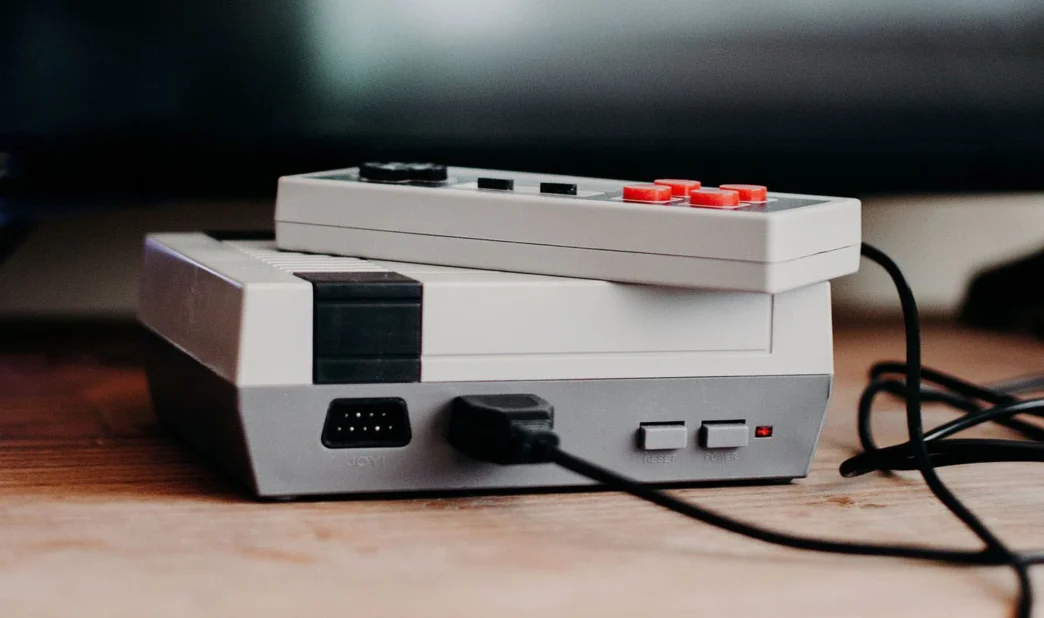
The PC architecture also makes these systems next-level emulation powerhouses. While consoles tend to lock their retro games behind premium subscription tiers or outdated virtual consoles, portable PCs can run historical software networks that go back decades, completely localized on a single microSD card.
Handling Market Pressures
Despite their incredible momentum, portable PCs do face their fair share of structural challenges. Industry reports have stated that the hardware sector is experiencing significant inflationary pressures. The growing macro-demand shift for high-performance components, driven by data centers, has created a severe global memory and storage supply squeeze.
As a result, the top handheld models often come with a hefty price tag due to features like:
- High refresh-rate OLED panels
- Custom AMD Z1 Extreme or next-gen silicon
- Fast DDR5 memory configurations
Traditional consoles offer a predictable, fixed price point for the duration of a generation, but the fast-moving PC console market moves at the same pace as computer hardware lifecycles.
What The Future Has In Store For Modern Gaming
Even with the premium price tag, the long-term value, unmatched software freedom and versatility, as well as the sheer ergonomic flexibility that these devices have to offer, are what ensure that they continue to remain highly competitive.
The ability to bypass a lot of the extra costs associated with modern gaming consoles in the form of recurring subscriptions and the lack of variety in terms of competitive pricing means you’ll be saving hundreds of dollars in the long run. Arguably more than the initial cost would set you back.
By offering modern gamers the best of both worlds, portable PCs have upended the balance of power, forcing the console industry to reconsider what modern players truly value in a gaming machine.