



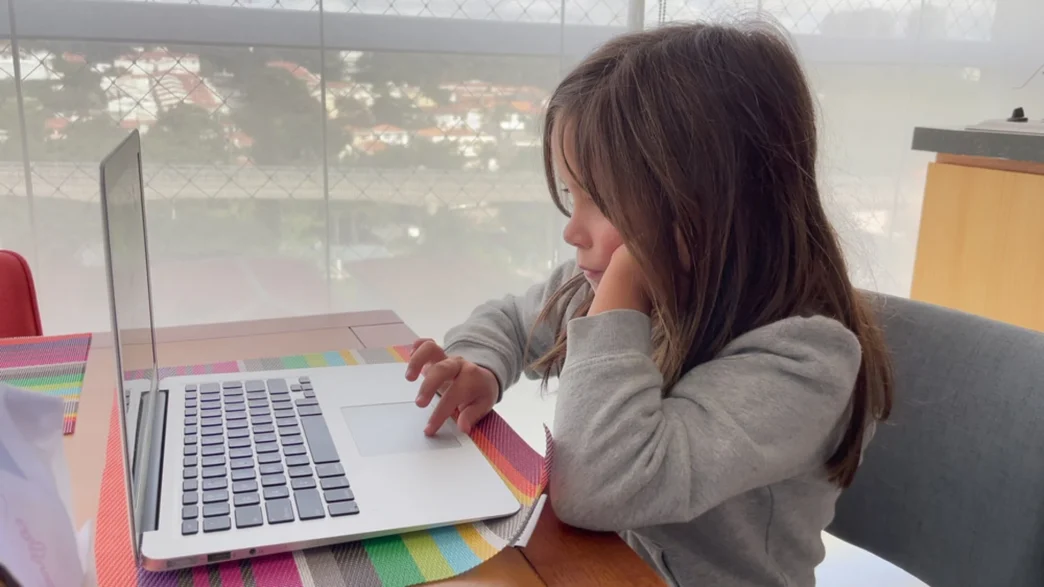
Technology has become an important part of children’s lives, influencing how they learn, communicate, explore their interests, and interact with the world. From educational apps and interactive games to digital books and online learning platforms, technology offers opportunities to support cognitive development and encourage curiosity. However, children also need physical activity, face-to-face interactions, and adequate rest to grow and thrive. Understanding how to balance digital tools with other developmental experiences can help parents and educators promote children’s overall well-being. In this article, we’ll explore how technology supports learning, the importance of healthy screen habits, and ways to create balanced learning environments.
How Technology Supports Cognitive Development
Children develop essential cognitive skills as they explore new concepts, solve problems, and engage with their surroundings. Technology can support these processes through age-appropriate educational games, interactive storytelling, and activities that encourage critical thinking. For example, a puzzle app can help children recognize patterns, while digital drawing tools can encourage creativity and visual reasoning.
According to Gitnux, children’s early exposure to enriched learning environments increases their vocabulary development by 50%. Technology can contribute to these environments when it provides opportunities to discover new words, listen to stories, and engage with educational content. However, digital activities are most beneficial when combined with conversations, hands-on exploration, and guidance from adults who can help children understand what they’re learning.
The Importance of Interactive Learning Experiences
Technology can make learning more engaging by allowing children to participate actively rather than simply receive information. Interactive educational platforms may provide immediate feedback, adjust activities to a child’s skill level, and offer different ways to explore unfamiliar topics. These features can help children practice new skills at their own pace and build confidence as they make progress.
Nevertheless, digital learning shouldn’t replace every traditional educational experience. Building with blocks, painting, reading physical books, and participating in group activities all provide valuable opportunities to develop coordination, imagination, communication, and problem-solving skills. Montessori education, for instance, emphasizes hands-on learning and independence. According to Forbes, approximately 500,000 children were enrolled in Montessori schools in the United States in 2021. This reflects the popularity of an educational approach that prioritizes active exploration, an important consideration when integrating technology into children’s learning environments.
Balancing Screen Time and Children’s Well-Being
Although technology offers educational benefits, excessive or poorly timed screen use can interfere with other important aspects of childhood. Children need sufficient sleep, regular movement, opportunities for social interaction, and time away from digital stimulation. When screens consistently take the place of these activities, children may struggle to maintain healthy routines.
Sleep is particularly important for attention, memory, emotional regulation, and learning. According to the American Academy of Sleep Medicine, 25% to 50% of children and adolescents diagnosed with ADHD have clinically reported sleep problems. Establishing consistent bedtime routines and limiting stimulating screen activities before bed can help support healthier sleep habits. Parents should also consider each child’s individual needs when setting screen limits and seek professional guidance if persistent sleep difficulties arise.
Encouraging Healthy Technology Habits
Creating a balanced relationship with technology starts with intentional choices. Parents and educators can select age-appropriate content, establish clear expectations, and participate in digital activities alongside children. Asking questions about an educational video or discussing a game can turn screen use into an opportunity for conversation and deeper understanding.
It’s also helpful to establish screen-free periods during meals, family activities, and the hour before bedtime. Children should have regular opportunities to play outdoors, interact with peers, read, and pursue creative hobbies. By modeling responsible technology use, adults can help children develop habits that support independence and self-regulation.
Technology can play a valuable role in children’s cognitive development and well-being when it’s used thoughtfully. Educational tools can encourage curiosity, strengthen learning skills, and introduce children to new ideas, but they work best alongside hands-on experiences, meaningful relationships, physical activity, and adequate sleep. By prioritizing quality content and maintaining healthy boundaries, parents and educators can help children benefit from technology without allowing it to overshadow the experiences they need to grow into healthy, capable learners.