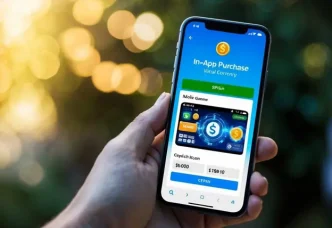
Mobile games offer fun and excitement, but they can also drain your wallet if you’re not careful. As someone who’s spent countless hours playing and analyzing these games, I’ve learned how to get the most value from in-app purchases. Platforms like LDShop can be quite helpful in saving money, so that your focus remains on what enhances your enjoyment and progress without overspending.

I’ve found that setting a budget and sticking to it is crucial. This helps me avoid impulse buys and ensures I only spend money on things that truly improve my gaming experience. I also pay attention to special offers and events, which often provide better value than regular purchases.
It’s important to remember that not all in-app purchases are created equal. Some items might seem tempting, but they don’t always provide lasting benefits. I’ve learned to prioritize purchases that unlock new content or provide permanent upgrades over temporary boosts or cosmetic items.
Key Takeaways
- Set a budget and stick to it to avoid overspending on in-app purchases
- Look for special offers and events to get better value for your money
- Focus on purchases that provide lasting benefits or unlock new content
Understanding the Mobile Gaming Market
Mobile gaming has grown into a huge industry with diverse players and business models. The market evolves quickly as new technologies and trends emerge.
Evolution of Mobile Games
Mobile games have come a long way since simple puzzle games on flip phones. Early games were basic due to hardware limits. As smartphones improved, so did the games. We saw more complex gameplay and better graphics.
Today’s mobile games rival console titles in quality. They span many genres from casual puzzles to hardcore strategy games. Some even use augmented reality for unique experiences.
The player base has also expanded. It’s not just young people anymore. Players of all ages and backgrounds enjoy mobile games now.
Current Trends in Monetization
Free-to-play is the biggest trend in mobile game monetization. Most top games are free to download. They make money through in-app purchases instead.
Common purchases include:
- Extra lives or energy
- Special characters or skins
- Rare items or resources
- Ad-free gameplay
Some games use subscriptions too. Players pay monthly for bonus content or rewards.
Many games mix multiple strategies. They might offer both purchases and ads. This gives players choices in how to engage.
Key Players and Their Strategies
Top mobile game companies use different approaches to succeed.
Supercell focuses on high-quality, long-lasting games like Clash of Clans. They update these games for years to keep players engaged.
King, maker of Candy Crush, uses social features to spread their games. They encourage players to connect with friends and send lives.
Niantic leverages real-world locations in games like Pokémon GO. This gets players outside and interacting with their environment.
Zynga targets casual gamers with simple, addictive games. They often release new titles to capture trends.
Each company tailors its strategy to its audience and game types. The most successful find ways to keep players coming back day after day.
Leveraging Monetization Models for Maximum Revenue
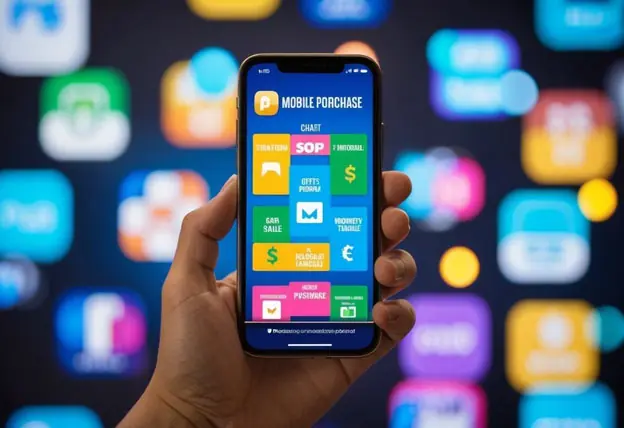
Mobile game developers use different strategies to make money from their games. I’ll explain the main ways they do this and how it affects players like us.
In-Depth Look at In-App Purchases
In-app purchases are a big part of mobile games. I can buy virtual items, power-ups, or currency to help me progress faster. Some games offer cosmetic items that change how my character looks. Others sell time-savers that let me skip waiting periods.
I’ve noticed that many games use a “freemium” model. The game is free to download, but I can spend money on extras if I want. This works well because I can try the game without paying first.
Some popular in-app purchases include:
- Extra lives or continues
- Special characters or skins
- Rare items or weapons
- In-game currency bundles
The Role of Advertising in Mobile Games
Ads are another way games make money. I see different types of ads when I play:
- Rewarded video ads: I watch a short video and get in-game rewards.
- Banner ads: Small ads at the bottom or top of the screen.
- Interstitial ads: Full-screen ads that pop up between levels.
- Native ads: Ads that blend in with the game’s design.
Rewarded ads are my favorite because I get something for watching them. Some games let me pay to remove ads completely. This can make my gaming experience smoother if I play a lot.
Effective Subscription Models
Some games now offer subscriptions. I pay a regular fee (usually monthly) for extra benefits. This model works well for games I play often.
Subscription perks might include:
- Ad-free gameplay
- Daily rewards or bonuses
- Access to exclusive content
- Discounts on in-app purchases
I’ve found that subscriptions can be a good deal if I’m really into a game. They often give me more value than buying individual items.
Some games combine these models. They might have ads, in-app purchases, and a subscription option. This lets me choose how I want to support the game based on how much I play and what I value most.
Optimizing User Engagement and Experience
I’ve found some key ways to boost player engagement and satisfaction in mobile games. Data analysis helps mobile game companies make smart choices about in-app purchases. These tactics focus on personalizing the experience, using in-game rewards effectively, and keeping users happy.
Best Practices for In-Game Currency and Rewards
In-game currency and rewards are powerful tools to keep players engaged. I recommend offering daily login bonuses to encourage regular play. Timed events with special rewards can create excitement and boost activity.
It’s smart to have multiple currencies for different purposes. This adds depth and gives players more goals to work towards. I suggest making some currencies easier to earn and others more rare.
Reward players for completing achievements or reaching milestones. This gives a sense of progress and accomplishment. Consider adding a battle pass system with tiered rewards for long-term engagement.
Personalizing Offers Through User Behavior
I’ve seen great results from tailoring offers to individual players. Track what items users buy and play patterns. Use this data to show deals on their favorite things.
Segment players based on spending habits. Big spenders might get high-value bundles, while free players could see cheap starter packs. Adjust prices and items to match each group’s habits.
Time limited offers can create urgency. Show these when players are most active or after achieving something in-game. Personalized push notifications about relevant deals can bring users back.
Ensuring Customer Satisfaction
Happy players are more likely to spend and stick around. I always make sure there are easy ways for users to get help. Quick responses to issues build trust and loyalty.
Fair pricing is key. Avoid pay-to-win mechanics that frustrate free players. Instead, focus on cosmetic items or convenience features that don’t break game balance.
Ask for feedback regularly through short in-game surveys. Use this input to improve the game and fix pain points. When you make changes based on player suggestions, let them know. This shows you value their opinions.