Walk into any Ontario arcade from the 1980s, and you’d find the same basic pull working on nearly every cabinet: a short session, a visible score, and the promise that one more coin might beat your last run. That pull didn’t disappear when arcades faded. It moved into consoles first, then browsers, then phones, and somewhere along the way the coin slot disappeared but the underlying instinct stuck around. Modern digital entertainment, including casino formats, still leans on mechanics arcade developers worked out decades before broadband existed.
Quick Sessions and the Pull of One More Try
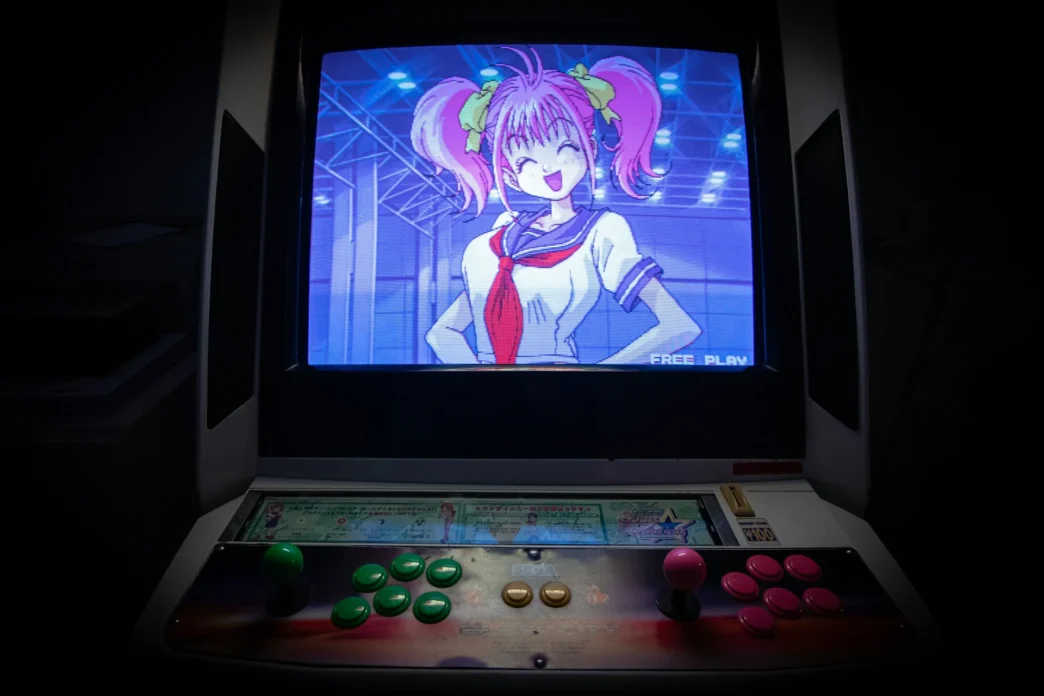
Arcade games were built around short, self-contained rounds, partly because coin-operated machines demanded it. Ontario players had maybe ninety seconds to prove something, and the game had to deliver tension fast or lose the quarter anyway. That compressed pacing still shapes how digital games handle timing, long after the financial pressure that created it stopped mattering. Rounds in slot titles or quick-fire game shows rarely stretch long, and the loop resets almost immediately once it ends.
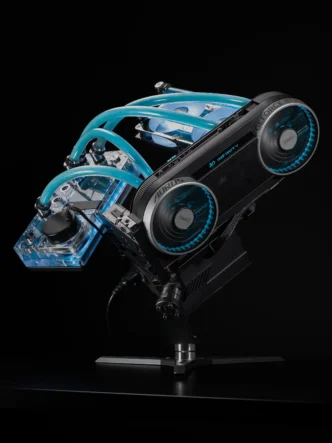
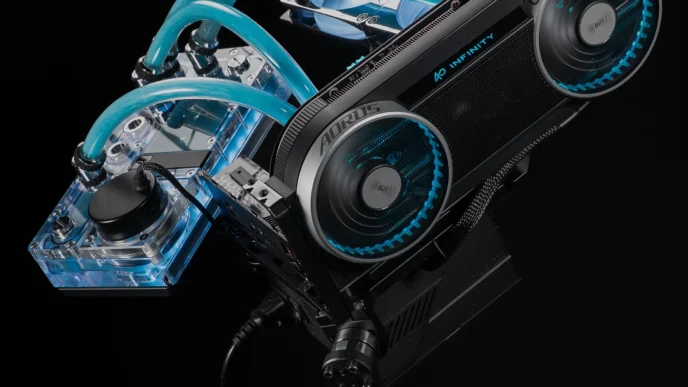
Running that kind of responsive gameplay smoothly, especially with layered animations and sound, takes decent hardware, and developers building these experiences often say they need the best GPU available just to keep frame rates steady during busy sequences. What used to be a ninety-second round on a cabinet floor is closer to a thirty-second spin now, though the underlying logic hasn’t changed nearly as much as the screen size.
Visual Feedback That Never Really Left
Arcade machines communicated through flashing lights and loud, chunky sound effects because subtlety didn’t sell quarters. Every win, no matter how small, got some kind of burst of confirmation. That habit carried into digital design almost unchanged. A winning combination on a modern screen still triggers color changes and sound cues that exist mainly to register with the player’s attention, sometimes for a fraction of a second longer than feels strictly necessary.
As games layered in more of these effects, streaming quality started to matter in a way it hadn’t before, and faster internet became less of a luxury and more of a baseline expectation once feedback got richer and more frequent. Lag between an action and its visual payoff breaks the illusion fairly quickly. Arcade cabinets never had that problem since everything ran locally in Ontario, which is a strange thing to miss about a machine that ate your quarters, but digital formats inherited the expectation of instant response without always inheriting the infrastructure to back it up.
Competition and the High Score Table
Few things drove arcade culture harder than the high score table sitting at the top of the screen, daring the next player to beat it. That public marker of achievement gave games a competitive edge without requiring anyone to actually know the other players. Digital entertainment kept that instinct, though the format shifted considerably.
Leaderboards and live tournaments replaced the physical cabinet screen, and competitive framing now shows up well beyond arcade-style games, extending into areas like sports betting, where odds and outcomes create their own version of public comparison. As online gaming has evolved, so too has the way people discover and compare platforms. For readers exploring online casinos in Ontario, Casino.ca offers a useful starting point with its curated list of online casinos operating in Ontario, providing a regional perspective on the platforms available in a regulated market.
High scores used to mean beating a stranger’s initials scratched onto a cabinet screen. Now it usually means something logged to a server somewhere, but the urge behind it hasn’t shifted much.
Immersion Without the Cabinet
Arcade cabinets offered something a flat screen alone can’t quite replicate: physical presence. The size of the machine, the weight of the joystick or controller, the sound bleeding out from a speaker grille that had seen better days- it all built a sense of occasion around playing, even if nobody thought about it that way at the time. Digital formats have spent years trying to recreate that feeling without the hardware, and live-dealer games are one clear attempt, using real dealers and real-time video to bring back some of that in-person weight.
Newer experiments go further. Early applications of VR technology aim to rebuild the physical presence arcades offered by putting players inside a rendered space instead of in front of a flat screen, though whether that fully replaces the feeling of standing at a cabinet with a line forming behind you is still an open question worth revisiting once the technology matures a bit more.